Last updated: November 19, 2026
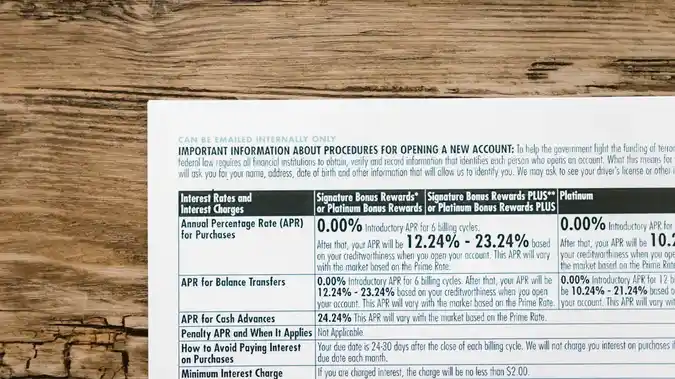
Quick Answer: Interest, fees, and payoff cost control means knowing the exact cost of borrowing before you sign, then reducing the balance in the order that saves the most money. For a personal loan, credit card, auto loan, or mortgage, the biggest wins usually come from lowering the APR, avoiding avoidable fees, and sending extra principal to the balance that costs the most each month. In this guide to Interest, fees, and payoff cost control: The Complete Guide, the key question is what you will pay over 12, 24, or 60 months.
In short: Interest, fees, and payoff cost control means knowing the exact cost of borrowing before you sign, then reducing the balance in the order that saves the most money. For a personal loan, credit card, auto loan, or mortgage, the biggest wins usually come from lowering the APR, avoiding avoidable fees, and sending extra principal to the balance that costs the most each month.
Key Takeaways
- Payoff timing matters most after the loan is in place, while rate and fees shape the upfront cost.
- Compare total dollars over the same payoff period, not the monthly bill alone.
- Origination fees and prepayment penalties matter because they change the loan’s total cost.
- The best payoff strategy is the one you can keep up with through the full term.
If you want the practical version: the cheapest loan is rarely the one with the lowest headline rate. It is the one with the lowest total cost after origination fees, late fees, prepayment penalties, interest compounding, and payoff timing all get counted.
I write about consumer finance and borrowing costs for a living, so the right question here is not “What is the rate?” It is “What will this really cost me if I keep it for 12, 24, or 60 months, and what can I control right now?”
What matters most: rate, fees, or payoff timing?
Payoff timing matters most once the loan is already in place, but rate and fees decide the damage upfront. If you are choosing between offers, a lower APR with high fees can lose to a higher APR with low fees. If you already have the loan, an extra payment toward principal often saves more than trimming a small monthly fee.
The clean way to think about borrowing cost is in three layers:
- Interest rate or APR. This is the price of carrying the balance. A loan at 8% APR usually costs less than one at 12% APR if the term and balance are similar.
- Fees. These can include origination fees, annual fees, late fees, returned-payment fees, balance-transfer fees, and prepayment penalties. A 4% origination fee on a $20,000 loan is $800 before you even make the first payment.
- Payoff speed. The faster the principal falls, the less interest can compound. With revolving debt, that matters even more because interest is typically charged on the remaining balance.
A lot of generic advice gets this wrong by treating the rate as the whole story, so it is worth checking with a qualified financial professional if the loan structure is unusual. That is useful only if the loan has no meaningful fees and you plan to hold it to maturity. Real borrowing is messier. A credit card with a 0% introductory APR and a 3% transfer fee can still be a smart move if you can clear the balance before the promo ends. A personal loan with a lower posted APR may be worse if the lender takes a big origination fee at closing.
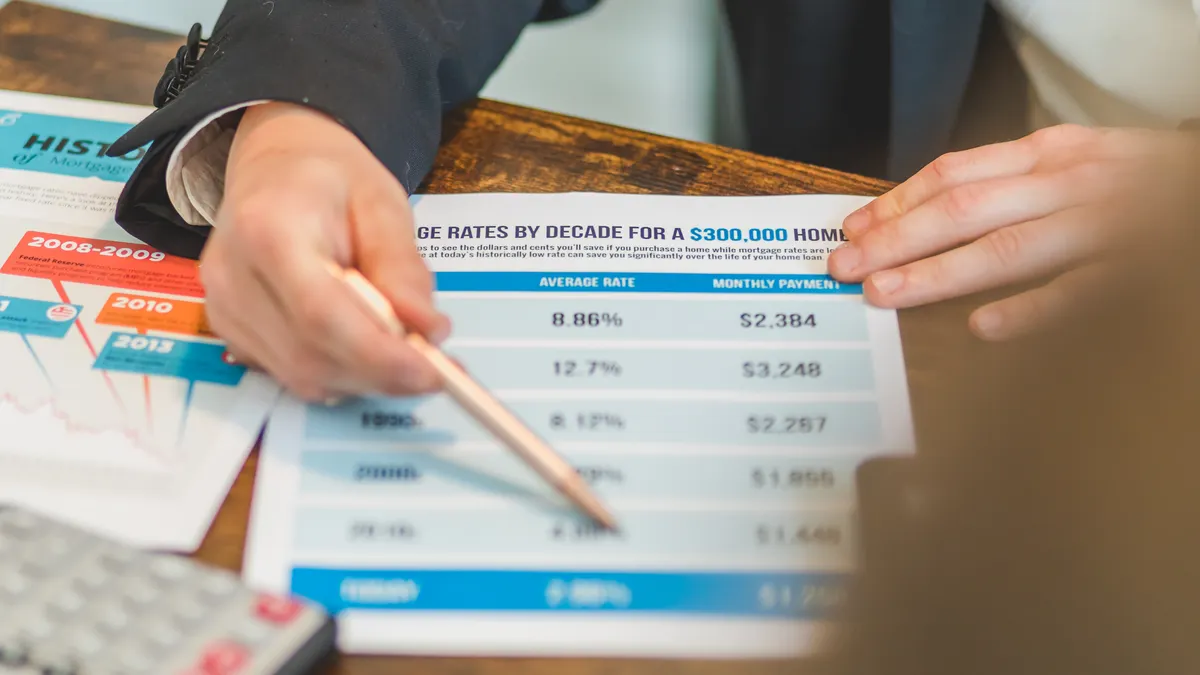
The rule of thumb is simple: compare total cost, not just monthly payment. Monthly payment can be made smaller by stretching the term, but that often raises the total interest paid. A 72-month loan can look affordable and still cost more than a 36-month loan by a wide margin.
For an authoritative definition of APR and borrowing disclosures, the Consumer Financial Protection Bureau explains the core terms in plain language on its APR and total loan cost resources. The Federal Trade Commission also lays out common fee traps in How to understand a loan or credit card agreement and related credit guidance.
How to compare a loan offer without getting fooled by the monthly payment
Compare the total dollar cost over the same payoff period, not the monthly bill alone. A lower payment can hide a higher price tag if the term is longer or the fees are loaded into the balance.
A quick decision framework works better than guessing:
- Start with APR. APR captures the interest rate plus some fees, though not always every cost.
- Find the fee structure. Look for origination fees, annual fees, application fees, late fees, returned-payment fees, and prepayment penalties.
- Use the same term. Compare a 36-month offer with another 36-month offer, not a 36-month loan with a 60-month loan.
- Check amortization. Early payments on an amortizing loan are interest-heavy. That matters if you expect to refinance or pay it off early.
- Ask what is excluded. Some offers do not clearly state whether there is a prepayment penalty, which can be the single most useful sentence in the contract.
Here is the simplest lens: if two loans both let you pay early without penalty, the one with the lower APR and lower upfront fees usually wins. If one loan has a much lower payment but stretches the term by 24 months, the hidden cost may be substantial.
The trap is that many borrowers focus on cash flow alone. That is understandable if money is tight this month, but it can produce a more expensive loan than necessary. A longer term reduces the payment because it gives interest more time to accrue. That is not a moral failure; it is just math.
If the lender provides an APR, use that as the first screening number. If the lender gives only an interest rate, ask for the APR and the itemized fees. If the lender will not provide the fee schedule in writing before you commit, that is a reason to walk away.
Which fees actually move the needle?

Origination fees and prepayment penalties matter most because they change the total cost of the loan, not just the inconvenience. Late fees matter too, but they are usually avoidable if the payment schedule is under control.
Here is the practical order of concern:
- Origination fee. This is often expressed as a percentage of the loan amount. On a $15,000 loan, a 5% fee means $750 disappears at funding. That fee increases the effective borrowing cost even if the APR looks attractive.
- Prepayment penalty. This punishes early payoff. If you plan to refinance, make extra principal payments, or sell the financed asset, this fee can erase the benefit of a lower rate.
- Late fee. This can be a flat charge or percentage-based. A single late fee is annoying; repeated late fees can snowball into default risk.
- Returned-payment fee. If a debit fails or a check bounces, the lender may charge a separate fee. That is pure leakage and usually avoidable with cash-flow planning.
- Annual fee. Common with credit cards and some lines of credit. Annual fees can be worth it if the rewards or rate structure justify them, but they are not free.
- Balance-transfer fee. Commonly a percentage of the amount moved. This fee can still be worth paying if the promo period is long enough and you have the discipline to pay the balance off in time.
The fee most people underestimate is the prepayment penalty. It sounds harmless because paying early feels like winning. In reality, a penalty can trap you in a loan that looks flexible but is not. That matters most for borrowers who expect a bonus, tax refund, home sale, refi, or side income to accelerate payoff.
The fee most people overreact to is often the annual fee on a card or account that provides real savings elsewhere. A $95 annual fee can be worth it if it replaces a much higher interest burden and you pay in full every month. It is not worth it if the card’s rewards merely nudge you to spend more.
Always read the contract for one sentence: “Is there a penalty or fee for paying off early or making extra principal payments?” If the answer is buried, treat that as a warning sign.
How to cut payoff cost without damaging cash flow
The best payoff strategy is the one you can sustain for the full term. Aggressive debt payoff saves more interest, but not if it leaves you unable to cover rent, insurance, taxes, or an emergency repair.
There are four reliable ways to reduce payoff cost:
- Pay extra principal whenever possible. On amortizing loans, extra principal reduces the balance that future interest is charged on. Even small extra amounts can help if they are consistent.
- Use biweekly payments only when the lender applies them correctly. A true biweekly plan can create one extra payment per year, but some lenders simply hold the money until the next scheduled due date. Ask how the payments are applied.
- Refinance only when the math works. A lower APR is not enough. Include closing costs, fees, and the remaining term. Refinancing a loan that is nearly paid off often saves less than borrowers expect.
- Target high-rate balances first. If you have multiple debts, the highest APR balance is usually the costliest to keep around. That is the debt to attack first if you want the greatest interest savings.
The simplest payoff method is also the most disciplined: pay the minimum on every balance, then send all extra cash to the highest-cost debt. That is the avalanche method. It tends to save more interest than paying the smallest balance first, though the smallest-balance method can feel more motivating.
A generic article will tell you to “pay more when you can.” That is true but incomplete. The real question is whether you can create a payment structure that survives uneven income. If your cash flow swings by season, a rigid payoff plan can backfire. In that case, the better move may be to build a one-month buffer, then send surplus to principal after that.
One more caution: if a lender does not apply extra payments to principal by default, ask for that in writing. Otherwise, the extra money may simply prepay the next month’s scheduled installment instead of reducing the balance sooner.
The real difference between low-rate debt and low-fee debt
Low-rate debt wins when you keep the balance for a long time; low-fee debt wins when you pay it off quickly. That is the cleanest rule in consumer borrowing, and it explains why two offers can both be “good” but for different people.
| Criteria | Low-rate debt | Low-fee debt | Winner for this condition |
|---|---|---|---|
| Upfront cost | Often higher if the lender charges points or origination | Often lower at closing | Low-fee debt if cash at funding is tight |
| Long-term interest | Usually lower if held for years | Can be higher if APR is meaningfully above market | Low-rate debt if you expect to carry it 24+ months |
| Early payoff | May have a penalty or lose its advantage when paid early | Often flexible and cheaper to exit | Low-fee debt if payoff will be fast |
| Monthly payment | Can be similar, but not always | Can be similar, but not always | Depends on term, not just price tag |
| Refinancing value | Strong if rates fall and fees are modest | Weak if the rate is already near market | Low-rate debt if you might refi later |
| Sensitivity to timing | Less sensitive to payoff timing | More sensitive to payoff timing | Low-rate debt for slow amortization |
| Cash-flow stress | Can still be expensive if term is long | May reduce upfront strain | Low-fee debt if avoiding closing-cost shock matters |
| Best use case | Large balances kept over time | Short holding period or rapid payoff | Depends on how long you keep the loan |
| Hidden risk | Prepayment restrictions and teaser structures | Higher interest cost over time | Tie |
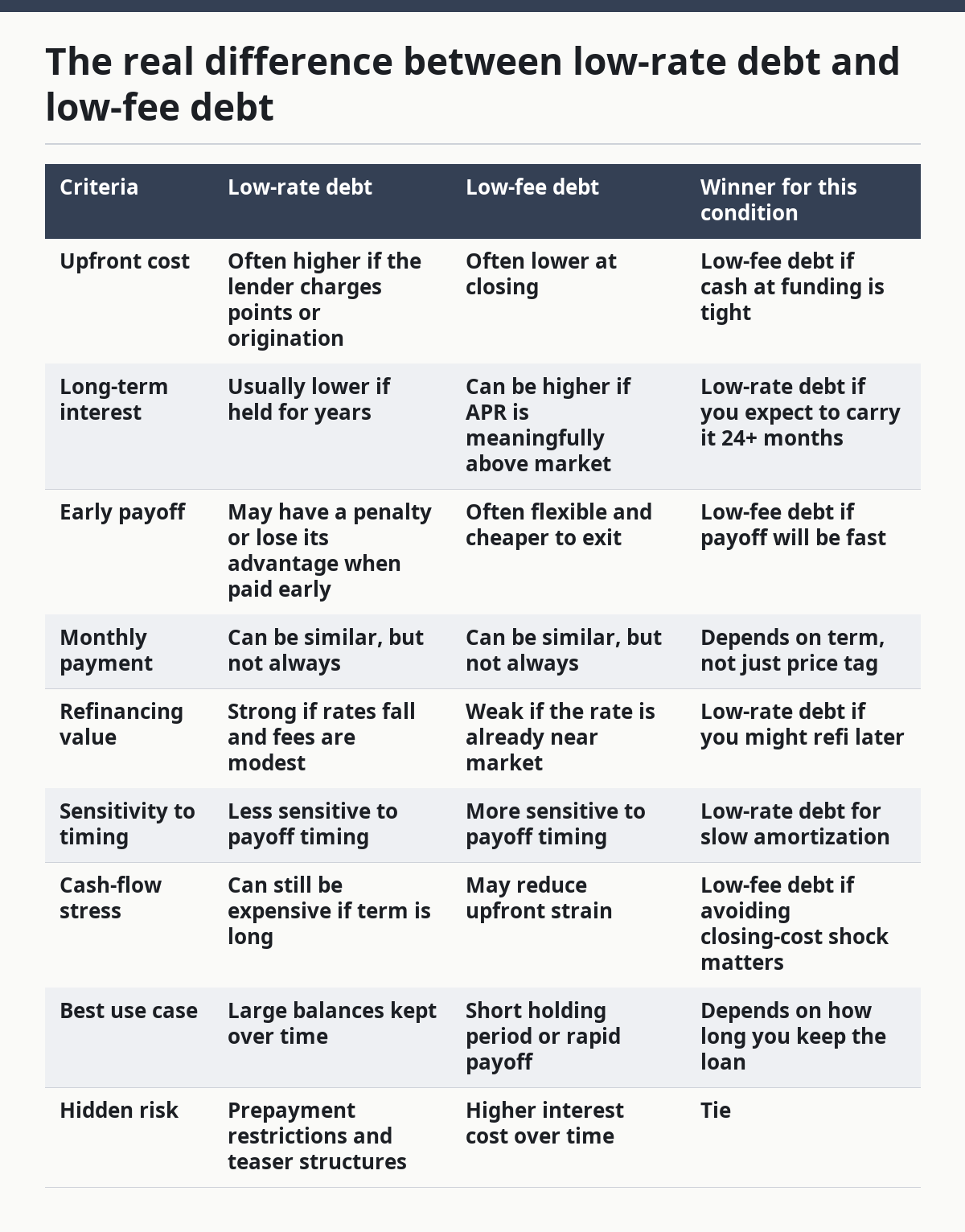
A borrower who plans to keep debt for several years should care more about rate. A borrower who expects to wipe out the balance in 6 to 12 months should care more about fees and payoff flexibility. That is why a flat “lowest APR always wins” answer is wrong.
The exception is when the fee is small and the rate gap is large. In that case, the lower-rate option can still dominate even after fees. But you should not assume that. Run the math on the actual term you expect to keep the debt.
Which debt strategy is right for you?
The right strategy depends on whether your main problem is cash flow, total cost, or payoff speed. If you need the lowest possible monthly burden, a longer term may be acceptable. If you need the cheapest total borrowing cost, shorter terms and faster principal reduction usually win.
Choose the rate-first approach if you plan to keep the debt for years
This is the best choice for mortgages, some auto loans, and larger personal loans where the balance will remain outstanding for a long time. A 1% difference in APR can matter a lot over 5 or 30 years, especially when the principal is large.
The downside is that a rate-first choice can come with more closing costs or stricter qualification rules. It is also less useful if you know you will refinance, sell, or pay off the loan soon.
Choose the fee-first approach if the balance will disappear fast
This fits borrowers who expect a tax refund, bonus, asset sale, or rapid income increase. In that case, paying a 3% or 5% fee to chase a slightly better rate may not pay off before the balance is gone.
The downside is that fee-first thinking can leave you with a higher APR than necessary if payoff timing slips.
Choose the payoff-first approach if your debt is already expensive
High-interest revolving balances, especially credit card balances carried month to month, usually deserve the fastest possible principal reduction. If a balance is compounding at a high APR, the payoff plan itself is the main cost-control tool.
The downside is obvious: sending every spare dollar to debt can leave you vulnerable to shocks. If you have no emergency cushion, a small savings buffer may be necessary before aggressive payoff.
Choose the refinance approach only when the numbers clearly clear the fees
Refinancing helps when the new APR and term create a lower total cost after closing fees. It does not help when the break-even point is longer than you expect to keep the loan.
The downside is that refinance offers can look attractive while quietly adding fresh fees or extending the term so long that total cost rises.
When does the choice flip?
The overall verdict flips in four situations: when prepayment penalties exist, when the loan will be held only briefly, when cash flow is unstable, or when the balance is revolving and compounding fast. Those cases break the usual “lower APR is better” advice.
- Prepayment penalty on the cheaper loan. If the lower-rate loan charges a meaningful payoff penalty, the more expensive-looking loan may be cheaper in practice. This happens because the ability to exit the debt is part of the price.
- Very short holding period. If you expect to pay off the debt in 6 months, a lower fee and flexible payoff terms can beat a lower APR by a wide margin.
- Unstable income. If a tight repayment plan would cause missed payments or overdrafts, the “cheaper” debt can become the expensive one through penalties and stress costs.
- Revolving debt with no promo period. On credit cards, carrying a balance for months can make interest cost the dominant issue. In that case, payoff speed matters more than optimizing a small fee.
This is where generic advice fails: it pretends all debt behaves the same. It does not. A fixed-rate installment loan, a promotional balance transfer, and a revolving credit card all have different cost mechanics. The best decision depends on which mechanic controls the bill.
What a good payoff plan looks like in practice
A good payoff plan is boring, repeatable, and written around your actual paycheck dates. If you cannot follow it for 12 months, it is too aggressive.
A practical plan has five parts:
- List every balance, APR, fee, and due date. You cannot control cost if you do not know what each debt charges.
- Protect the minimums first. Missing a minimum payment can trigger fees and credit damage that dwarf a small rate advantage.
- Send extra to the highest-cost balance. That is usually the one with the highest APR, not necessarily the largest balance.
- Mark promo end dates. A 0% promotional rate that expires in 15 months needs a calendar reminder long before the final month.
- Re-check every 90 days. Income changes, fees change, and refinance offers change. A plan that worked in January may be wrong by June.
The hardest part is not the math; it is consistency. Many borrowers can save more by avoiding one late fee, one returned-payment fee, or one accidental promo expiration than by shaving a tiny amount off the APR. That is why cost control is mostly a systems problem, not a heroics problem.
If you are choosing between two offers today, the best offer is the one with the lower total cost and the cleaner payoff path. If you are already carrying debt, the best move is the one that lowers your principal fastest without risking a missed payment.
The Verdict: which one to choose and why
Choose the lower-rate offer if you will carry the balance for more than a year and the fee difference is modest. Choose the lower-fee offer if you expect to pay off the balance quickly or the lower-rate option has a meaningful upfront charge. Neither if the contract has a prepayment penalty, unclear fee terms, or a payment you cannot safely sustain.
That is the cleanest answer. Rate matters most over time. Fees matter most at the start and at exit. Payoff speed decides how much interest the balance has time to collect.
If the choice is between a loan that is cheap to keep and one that is cheap to leave, pick based on how long you will actually keep it. That single question solves most of the confusion.
What is the best way to compare two loan offers?
The best way is to compare the total cost over the same timeline, not just the monthly payment. Use the APR, all upfront fees, and any early payoff charges, then model the loan for the number of months you expect to keep it. A loan that looks cheaper on paper can cost more if the term is longer or the fees are heavy.
Can I save money by paying off a loan early?
Yes, if there is no prepayment penalty and the lender applies extra money to principal. Early payoff usually saves interest because the balance stops accruing charges sooner. It can backfire only when the lender charges an exit fee or the extra payments are not credited the way you expect.
Is a lower monthly payment always better?
No, a lower monthly payment can mean a higher total cost. Stretching the term often lowers the bill by giving interest more time to accrue. A payment that fits your budget is useful, but a payment that stays small by extending the loan for years can be the more expensive choice.
What fee should I watch for first?
Watch for origination fees and prepayment penalties first. Origination fees raise the cost before you even start, and prepayment penalties punish the very behavior that lowers interest cost. Late fees and returned-payment fees matter too, but they are usually easier to avoid through calendar control and cash-flow planning.
When should I refinance instead of paying extra?
Refinance when the new loan’s lower APR and fees clearly beat the remaining cost of your current loan. If the closing costs are high or you are near the end of the current term, extra principal payments may be better. A refinance only helps when the math still works after all fees are counted.
Drafted with AI; not yet reviewed by a person.