Last updated: August 10, 2026
- This article is about how to stop spending for 7 days and put the savings toward debt.
- How to Stop Spending for 7 Days Without Making Yourself Miserable Keep the method narrow.
- That is all it takes to see whether your spending is quietly bleeding money away.
- For anyone who wants a fast way to move cash toward debt, I’d choose a 7-day no-spend reset.
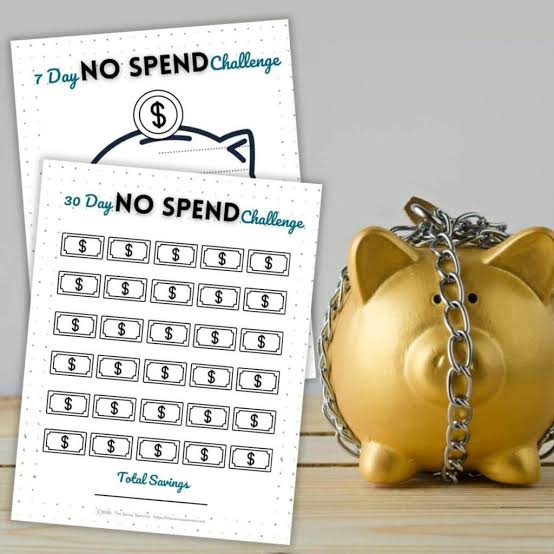
Seven days. That is all it takes to see whether your spending is quietly bleeding money away. For anyone who wants a fast way to move cash toward debt, I’d choose a 7-day no-spend reset. This article is about how to stop spending for 7 days and put the savings toward debt. Simple enough: for one week, stop all nonessential spending, track what you would have spent, and send that money to debt at the week’s end. I write about personal finance as a subject-matter writer, and I’ll be blunt: this is not a magic fix. A short interruption can create cash flow and attention at the same time. Not glamorous. Useful.
This article is information, not financial advice. Your situation may call for a qualified adviser, especially when late fees, collection calls, variable income, or debt tied to taxes, housing, or medical bills are in the mix. When debt is linked to mental health stress or spending feels compulsive, consider a professional counselor or financial coach before starting a challenge like this.
The Real Difference Between a No-Spend Week and a Normal Budget
A 7-day no-spend reset wins when you need speed and clarity, not a perfect long-term plan. A normal budget is built to manage money month after month; a no-spend week is built to interrupt habits right now.
That gap matters because most people do not overspend in one huge blow. Money slips out through tiny, repeated buys: takeout, delivery fees, convenience stops, impulse carts, and “just this once” purchases. A no-spend week makes those leaks visible. You feel the friction. You notice which errands trigger spending and which time slots are dangerous. Honestly, that visibility is the point.
A normal budget still matters, but it often misses the exact place this method helps most: the space between intention and action. You can know you “should” spend less and still tap your card without thinking. A 7-day reset gives you a shorter runway. Seven days is long enough to break momentum and short enough that many people can actually finish it.
Here’s the trade-off. A no-spend week does not fix a structurally broken budget. When rent, groceries, transportation, and minimum debt payments already swallow nearly everything, the amount you can redirect may be modest. Irregular income complicates it too; a rigid challenge can backfire and make you feel like you failed when the real problem is cash-flow timing. In that case, you need a cash-flow plan more than a spending challenge. That math stops working fast.
My view is simple: use a 7-day no-spend reset when you need to create a quick lump of debt-paydown money and regain control. Do not use it as a stand-in for a realistic monthly budget.
The Honest Side-by-Side
The no-spend week and the normal budget solve different problems. Blur them, and disappointment usually follows. I’d use the table below to decide what you actually need.
| Criteria | 7-Day No-Spend Reset | Normal Budget | Winner for this condition |
|---|---|---|---|
| Speed of action | Immediate. You can start today. | Slower. It takes setup, categories, and review. | No-spend reset if you need action now |
| Ease of starting | Simple rule, low setup. | More planning and tracking. | No-spend reset for people who freeze at complexity |
| Long-term sustainability | Limited. It is short by design. | Much better if the numbers are realistic. | Normal budget for ongoing control |
| Debt-paydown momentum | Strong short-term push. | Steady but less dramatic. | No-spend reset for a quick win |
| Helps expose habits | Very strong. It reveals trigger spending. | Moderate. Habits can stay hidden in categories. | No-spend reset for pattern spotting |
| Works with irregular income | Sometimes awkward. | Usually better if built around cash flow. | Normal budget for variable pay |
| Risk of rebound spending | Higher if the week feels punitive. | Lower if the plan allows room for life. | Normal budget for people prone to restriction rebound |
| Clarity about “where the money went” | Very clear because spending stops. | Clear only if tracking is consistent. | No-spend reset for instant visibility |
| Good for families or shared households | Possible, but requires buy-in. | Usually easier to coordinate. | Normal budget for shared finances |
That table is the core decision. Need a fast, visible break in spending? The no-spend week wins. Need a repeatable system that survives real life? The budget wins. A generic article would tell you to “do both,” which sounds helpful and usually means nothing. I wouldn’t say that. Use the challenge first if you need momentum; build the budget after if you want the result to last.
7-Day No-Spend Reset: Who Should Actually Use This (and Who Shouldn’t)
The 7-day no-spend reset works best for people who already know they have a spending leak and need a hard stop. It is especially useful if your debt feels abstract and you want one week of direct, visible progress. No spreadsheet masterpiece required. You need one clear rule: no nonessential spending for seven days, then transfer the saved amount to debt.
This fits people whose spending is heavy on discretionary stuff: coffees, delivery, app purchases, convenience store stops, entertainment buys, and “small” online orders that pile up. It also suits people who do better with a short challenge than an open-ended rule. Seven days is psychologically manageable. It feels finite, which cuts down the all-or-nothing panic that can kill longer restrictions.
The weakness matters just as much. A no-spend week can turn into a pride project. Push too hard, and you may stock up, binge later, or justify a “reward” that wipes out the gains. It can also get resentful if you strip away too many comforts at once. Cutting every easy pleasure while still expecting yourself to function normally is a bad trade. A week like that can sour fast.
I would not recommend this approach as the first move when your debt problem is mostly structural. When you are already short on groceries, behind on utilities, or juggling variable hours, a no-spend challenge can become performative instead of useful. In those cases, the right move is to stabilize essentials and look at your cash flow by due date.
Use the 7-day reset if you are the kind of person who says, “I just need to stop spending for a minute and see what happens.” Skip it if the issue is not impulse spending but insufficient income, large fixed bills, or arrears that need a formal repayment plan.
A Normal Budget: The Specific Situations Where It Wins
A normal budget wins when you need something that survives the next month, not just the next week. When debt is tied to a real household with recurring bills, a budget gives you the map that a challenge cannot. It tells every dollar where to go before it leaks away.
I would choose the budget over a no-spend week when your income varies, your bills hit on different dates, or you share money with a partner or family member. In those cases, random restriction is less useful than timing. You may need to decide which paycheck covers which expenses, which due dates matter most, and where a small surplus can be directed to debt without causing a shortfall later.
The budget also wins if you keep “failing” no-spend challenges because the structure is too blunt. Some people do not need more discipline. They need categories that match reality. Groceries are not optional. Gas or transit may not be optional. A working budget makes room for those essentials without pretending they are moral failures.
Its weakness is that it can become a procrastination tool. People spend weeks perfecting categories while debt interest keeps working against them. A budget that is never used is not a plan. It is admin. That’s the trap. So I would not tell someone in a motivation slump to start with a full financial overhaul. A no-spend week can create enough momentum to make the budget worth building.
The budget wins for stability, shared decision-making, and irregular cash flow. It loses when you need an immediate behavior break.
How to Stop Spending for 7 Days Without Making Yourself Miserable
Keep the method narrow. Concrete beats vague here.
Before you start, define spending that counts as off-limits. For most people, that means anything nonessential: restaurants, delivery, entertainment purchases, impulse shopping, convenience items, and online carts. Do not make the rule so broad that basic living becomes impossible. You still need to eat, commute, and keep the household running.
Then write down the start and end dates. Seven days is a real window. The fewer decisions you make each day, the better. Ambiguity invites loopholes, and loopholes turn a 7-day no-spend reset into a fuzzy promise.
Next, remove easy triggers. That may mean muting shopping emails, logging out of payment apps, deleting one-click shortcuts, or putting the card somewhere inconvenient. I’m not claiming one trick works for everyone. I’m saying the point is to add friction.
Then make a “spend later” list. When you want something during the week, write it down instead of buying it. Half the time, the urge cools. If it still matters after seven days, you can revisit it with more clarity.
After that, track the money you did not spend. You do not need perfect accounting. You need a running total. Once the week ends, move that amount toward debt. If you cannot transfer all of it immediately, set the transfer date now and keep the money separate.
The biggest mistake is treating the week like punishment. When that frame feels hard to break on your own, consider a financial counselor or therapist, because restriction can trigger rebound spending for some people. A better frame is temporary redirection. You are not banning joy forever. You are giving one week of ordinary purchases a job: debt reduction.
Our Verdict: Which One to Choose and Why
Choose the 7-day no-spend reset if you need fast momentum, you know discretionary spending is the leak, and you want a short, clear rule that turns into a debt payment once the week ends. Choose a normal budget if your problem is ongoing cash flow, shared finances, variable income, or a pattern that needs to last longer than seven days. Neither if you are already struggling to cover essentials; in that case, you need a survival plan and possibly professional debt help, not a spending challenge.
That’s my call because the two tools solve different pain points. The no-spend week creates a jolt. The budget creates structure. If you are stuck and demoralized, the jolt is often the better first move. If you are already organized but keep drifting off plan, the structure is the better move.
I wouldn’t overcomplicate it. When your debt feels out of control because money disappears into daily spending, do the seven days. If your debt feels out of control because the numbers do not fit, build the budget instead.
When to Reconsider This Choice Entirely
A few cases flip the answer, and I’d say that plainly.
When your debt is tied to missed minimum payments, collections, or notices with real consequences, a no-spend week alone is too small. You may need to prioritize the most urgent account, contact the creditor, or get debt counseling. The goal changes from “save extra” to “stop the worst damage.”
If your income is too irregular to predict a week cleanly, a no-spend challenge can create stress instead of progress. In that case, a cash-flow calendar beats willpower. You need to know what lands when before you decide what can be cut.
If your household is shared and others are not participating, this method can create conflict. One person’s challenge becomes another person’s frustration. A household budget, even a simple one, may work better because it is explicit about shared expectations.
Should the week tempt you into later binge spending, I would reconsider the challenge. Some people respond badly to restriction. If that is you, a budget with built-in spending categories may be less dramatic but more effective.
The point is not to choose the hardest option. The point is to choose the one that actually moves money to debt without making the rest of your finances worse.
A Simple 7-Day Framework You Can Use Right Away
If you want the shortest possible version, here is the structure I would use.
Day 1: decide what counts as spending and what does not. Write it down.
Day 2: remove the easiest purchase triggers.
Day 3: check the urge to spend and put any wants on a list.
Day 4: review what has already been saved.
Day 5: look at where the impulse moments happen.
Day 6: calculate the amount that can go to debt.
Day 7: transfer the savings toward debt and note what you learned.
That last step matters. If you do not send the money to debt, the challenge loses its point. And if you do not write down what triggered spending, you may repeat the same week over and over without getting better.
A 7-day no-spend reset is not a cure. When spending feels compulsive or tied to stress, consider a qualified financial counselor or mental health professional. It is a clean, practical way to make debt repayment more immediate. Used well, it creates cash and clarity. Used badly, it becomes a temporary fix.