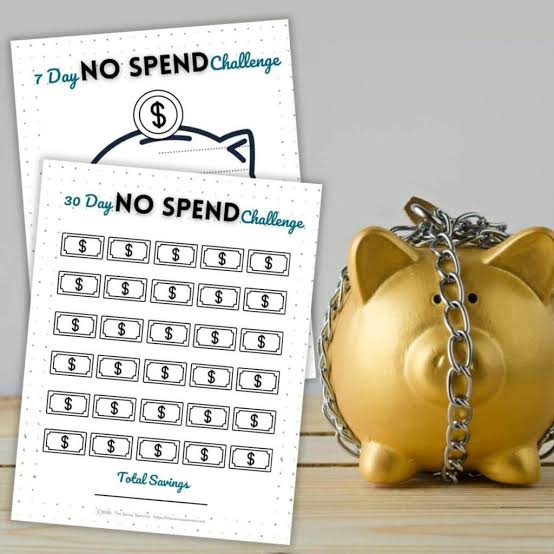
Last updated: August 10, 2026
Quick Answer: A no-spend challenge works best when you aim it at 2 to 3 spending categories for 30 days and record every purchase in one plain log. Trying to freeze all spending at once sounds tougher, but it usually breaks faster.
Key Takeaways
– A no-spend challenge is a spending reset, not a full financial plan.
– The best starting point is usually 2 or 3 categories: food out, impulse shopping, or subscriptions.
– Track date, category, amount, and trigger in a notes app, spreadsheet, or paper calendar.
– Most people find the biggest leaks in convenience buys, takeout, and browsing-driven purchases.
– If your finances are already stretched, consider a qualified financial professional or a full budget review instead of a strict challenge. The CFPB and FTC both recommend reviewing spending carefully before changing habits. CFPB, FTC
A no-spend challenge only helps when it targets the spending that quietly drains your account: convenience buys, impulse purchases, takeout, and “I’ll just grab it” habits. I’m writing this as money information, not financial advice; your situation is different from mine, and a qualified adviser should weigh in on your own finances if you need individualized guidance. For a general starting point, the Consumer Financial Protection Bureau recommends tracking spending before making changes. CFPB
What a No-Spend Challenge Is Really For
Not to prove you can suffer for 30 days. That’s not the point. The point is to find the exact places your money leaks out without much value in return. A good no-spend challenge gives you three things: a pause, a pattern, and a plan.
A pause means you stop automatic spending long enough to notice it. A pattern means you see which categories are habit-driven: snacks, subscriptions, rideshares, apps, gifts, or “errand” purchases. A plan means you decide which of those you will keep, limit, or replace.
I like challenges that are specific enough to follow and flexible enough to survive real life. “Spend nothing ever” usually falls apart by day 4. “No takeout lunches on weekdays” is clearer, easier to track, and more useful. In practice, a 30-day rule often beats an open-ended ban; the difference is night and day.
What I focused on
I would start with the categories that are easiest to forget:
– food and drink out
– convenience fees
– low-value online orders
– entertainment that can be swapped for free options
– duplicate purchases from poor planning
What I would not expect
A no-spend challenge will not fix debt, low income, or an emergency fund gap by itself. It can create breathing room, but it is not a full financial plan. If money is already tight, a nonprofit credit counselor or certified financial planner may be more helpful than a stricter rule set.
50 No-Spend Challenge Ideas That Are Actually Usable
I grouped these by how people actually spend, because that is where the money hides. Want a simple place to begin? Pick one section and test it for 7 days.
Food and drink
- No coffee shop drinks for 30 days
- Pack lunch four days a week
- Cook dinner from pantry and freezer first
- No delivery apps
- No snacks from gas stations or convenience stores
- Make your own breakfast every day
- No bottled drinks
- One grocery trip per week
- No “just one ingredient” store runs
- Use leftovers before cooking anything new
Shopping and browsing
- No clothes shopping
- No beauty or grooming purchases
- No home decor purchases
- No impulse buys under your usual comfort number
- No Amazon browsing “for ideas”
- Remove saved cards from shopping sites
- Put a 24-hour wait on all non-essentials
- No duplicate items you already own
- No marketplace scrolling
- No clearance rack detours
Entertainment and habits
- Use only free streaming options for a month
- No paid apps or app upgrades
- No paid event tickets unless already budgeted
- Swap one paid outing for a free one each week
- Borrow books instead of buying them
- Use library movies, ebooks, or audiobooks
- Host a potluck instead of going out
- No paid classes unless required for work
- No gaming microtransactions
- No lottery tickets
Transportation and errands
- Combine errands into one trip
- No rideshares unless it is an actual safety issue
- Plan one no-drive day each week
- Use what is in your car already before buying car supplies
- No drive-thru purchases
- Check the house before any store run
- Walk or bike for trips under a short local distance
- Refuel on a schedule, not in panic mode
- Use public transit for one routine trip if it fits your area
- Delay non-urgent trips until your regular route opens up
Home and life admin
- No replacement purchases until something is actually unusable
- Cancel or pause subscriptions you forgot about
- Use what is in the bathroom cabinet first
- Repair before replacing when the fix is simple
- Gift from what you already have at home
- Freeze all home project spending for 30 days
- No office-supply impulse buying
- Use paper, notes, and reminders you already own
- Declutter and sell duplicates instead of replacing them
- Make one “no-spend” rule for your weakest category and track it daily
The Setup That Makes the Challenge Work
Starting with rules and skipping the setup is the first mistake people make. That turns the whole thing into guesswork. Before day 1, I would set it up in three parts.
First, name your categories. If you cannot list your weak spots, the challenge stays vague. Second, decide what counts as allowed spending. Rent, utilities, groceries, medications, and transportation needed for work are usually not the things people mean to cut. Third, choose your tracking method.
I would keep tracking simple. A notes app, a spreadsheet, or a paper calendar works fine. The tool matters less than consistency. Track the date, the category, the amount, and the reason. That last column matters because it shows whether the purchase was planned, emotional, rushed, or simply habitual. The Federal Trade Commission recommends comparing prices and keeping records when you are trying to spend less. FTC
Here is a clean before/after view of what a challenge can change when the structure is tight:
| Metric | Before | After | Change | Timeline |
|---|---|---|---|---|
| Unplanned purchases | Frequent and untracked | Logged daily | Clearer visibility | Week 1 |
| Convenience spending | Mixed into routine | Capped by rule | Fewer small leaks | Month 1 |
| Takeout decisions | Made in the moment | Delayed by a pause | More home meals | Month 2 |
| Repeat purchases | Common | Checked against a list | Less duplication | By Day 90 |
A challenge works best when it forces a decision instead of a reflex. A written rule slows the next purchase by a few seconds, and those seconds matter.
Week 1: What Usually Surprises People

Week 1 is rarely about the biggest purchases. It is about the tiny habits that feel harmless because each one seems small. That’s where many people get the first useful shock.
Food is usually the big surprise. Stop buying coffee, lunch, snacks, and delivery for just a week, and you start noticing how often you were spending for convenience, not hunger. Another surprise: so many purchases happen while tired, bored, or annoyed. A simple rule like “wait until tomorrow” can beat a complicated budget app. Honestly, that kind of delay can work like a small speed bump for your wallet.
I would expect some friction here. A no-spend challenge can expose how little margin you have in your routine. If every break at work involved a purchase, the challenge will feel bigger than it is. If every evening wound down with online shopping, the urge may hit hard at 9 p.m.
What helped most in this phase was removing access, not just relying on willpower. For example:
– logging out of shopping accounts
– deleting saved payment methods
– unsubscribing from marketing emails
– keeping a running “buy later” list
A simple Week 1 checklist
- choose 3 categories to freeze
- set one backup meal plan
- move the shopping apps off the home screen
- write your top 5 spending triggers
- decide what counts as an exception
The point in Week 1 is not perfection. It is clarity. Once the pattern is visible, the next step gets easier.
How Do You Start a No-Spend Challenge?
Choose a start date and a time frame before you begin. A 7-day trial is easier than a full month, and a 30-day challenge gives you enough time to spot habits. Then pick 2 or 3 categories so the rules stay manageable.
Next, write the exceptions down. Essentials like rent, utilities, groceries, medications, and work transportation are usually not the target. After that, decide how you will track purchases. A notes app, spreadsheet, or paper calendar is enough.
Finally, tell one person or put the rules somewhere visible. A written plan is easier to follow than a vague intention. If you want a checklist, the CFPB’s budgeting tools can help you map spending before you start. CFPB
Month 2: The Mistake That Cost Me the Most
The costliest mistake in a no-spend challenge is making it too strict and then rebounding. I do not mean “failing” in a moral sense. I mean the kind of rule set that builds up frustration, then ends in a burst of overspending.
The classic version looks like this: cut everything, white-knuckle it for a while, then justify a shopping spree because the challenge felt miserable. That pattern can cost more than doing nothing, because the rebound spending comes with guilt and zero insight.
A second mistake is treating every category equally. Not all spending deserves the same attention. If groceries are already lean, squeezing them harder may not help much. If takeout, subscriptions, and impulse shopping are the bigger leaks, that is where the energy should go. If you are unsure which categories matter most, a certified financial planner or other qualified professional can help you sort essentials from avoidable spending.
I’d call out one honest limitation here: a no-spend challenge is not the right tool if your finances are already stretched to the edge and you cannot comfortably reduce discretionary spending without affecting essentials. In that case, the bigger answer may be income, debt support, or a full budget review with a qualified professional. The National Foundation for Credit Counseling is one place to look for nonprofit help. NFCC
Before/after table: what changed when the rules got smarter
| Metric | Before | After | Change | Timeline |
|---|---|---|---|---|
| Challenge strictness | All-or-nothing | Category-based | More sustainable | Month 2 |
| Rule violations | Frequent after stress | Reduced with exceptions | Fewer rebound buys | Month 2 |
| Emotional spending | Unchecked | Tracked by trigger | Better self-awareness | Week 6 |
| End-of-week regret | High | Lower | Less guilt-driven overspending | By Day 60 |
The fix was not more discipline. It was better design.
The Failure Section: What Went Wrong, Why, and What It Cost
This is the part most articles skip, and it is the part readers need. A no-spend challenge can fail for boring, practical reasons.
Social spending is the first failure. If your plans are built around eating out, gifts, or paid outings, a no-spend rule can isolate you unless you replace the habit with a lower-cost option. I would not pretend that is trivial. Saying no to every invitation is not realistic for many people, and too many “frugal” plans quietly ignore real life.
Then comes the hidden category. For some people it is transportation. For others it is home repairs, school supplies, or pet costs. Freeze the wrong categories, and you still spend — just in a more stressed, less deliberate way.
Overconfidence is the third failure. A reader may start with 12 rules, forget one, and decide the challenge is ruined. It is not ruined. But that mindset can push someone into either quitting or doubling down with unrealistic rules.
What it cost, in practical terms, was time and money spent cleaning up the mess. Repeated restarts waste attention. Missing the real spending trigger means the next month looks the same. And when the challenge turns into punishment, people often stop tracking altogether.
How I would prevent the repeat failure
- keep the challenge to 2 or 3 categories at first
- define exceptions in advance
- give every “break” a reason
- review weekly, not just at the end
- treat the data as feedback, not judgment
By Day 90: What Actually Helps You Save Money Long Term
By Day 90, the best no-spend challenge is no longer a challenge in the dramatic sense. It becomes a filter. You start asking, “Is this a want, a workaround, or a habit?” That question alone can save more than a rigid ban, because it slows down the automatic purchases that used to feel invisible.
The ideas that tend to stick are the ones with a replacement built in. No delivery apps works better if there is a planned fallback meal. No shopping works better if there is a list of free activities, borrowed items, or things you already own. No-spend only changes behavior when it makes the easier choice the cheaper one.
I would keep these ideas if I were building a challenge from scratch:
– pantry-first meals
– no impulse purchases
– subscription cleanup
– one weekly review
– a written exception list
And I would drop any rule that makes you feel clever for a week and resentful for a month. That is not discipline. That is churn.
Final before/after table
| Metric | Before | After | Change | Timeline |
|---|---|---|---|---|
| Spending awareness | Low | Higher | Better visibility | Week 1 |
| Impulse purchases | Common | Reduced by delay rules | Fewer spur-of-the-moment buys | Month 1 |
| Category control | Vague | Specific | Easier to maintain | Month 2 |
| Habit strength | Reactive | Intentional | Better long-term carryover | By Day 90 |
If you want a no-spend challenge that actually helps, make it narrower than your pride wants, clearer than your habits like, and honest about what it cannot fix. That’s the version people can keep open in a tab and use tomorrow.