Last updated: August 10, 2026
- A milestone page gives you visible markers: first account paid off, first $500 gone, first month with no late fees, first extra payment made.
- Quick Answer: Which debt payoff binder pages are worth printing first?
- Start there: a debt inventory, a payment log, and a monthly budget snapshot.
- Use something lighter when your debt plan is already simple and you only need a single tracker.
Quick Answer: Which debt payoff binder pages are worth printing first?
Three pages. Start there: a debt inventory, a payment log, and a monthly budget snapshot. Need a push? Add a milestone page. I write about personal finance for work, so I notice the dull part most people skip—the system has to stay simple enough that you keep opening it after the first burst of motivation. This is information, not financial advice; for your own situation, talk with a qualified financial adviser or credit counselor. For consumer debt questions, the CFPB and NFCC both point readers toward organized account lists and professional help when needed. https://www.consumerfinance.gov/consumer-tools/debt-collection/ and https://www.nfcc.org/
The Real Difference Between a Full Debt Payoff Binder and a Scrap of Notes
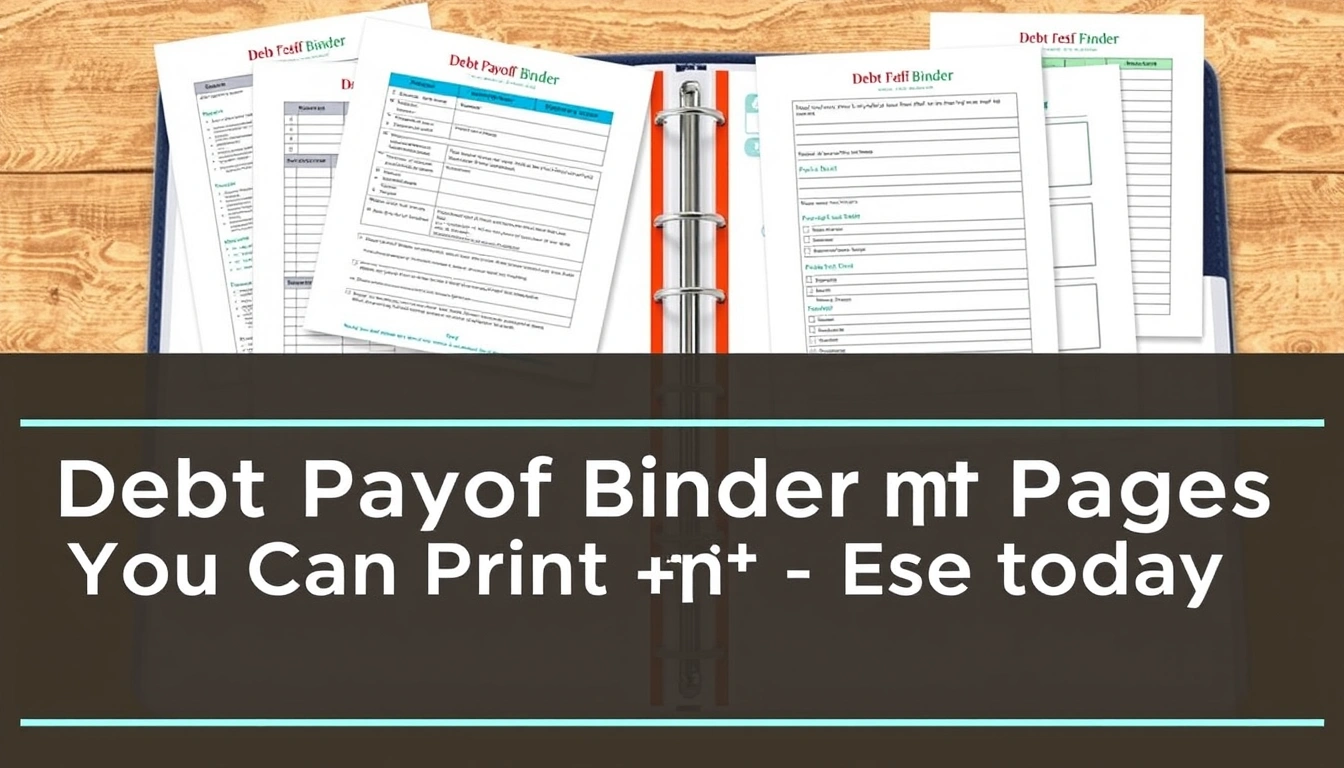
A full debt payoff binder turns a vague promise — “I’m going to pay this off” — into something you can actually check each week. A scrap of notes is quicker to start, sure, but it usually falls apart the same way: details end up scattered across a phone note, a bank app, a receipt, and a half-remembered plan. The binder is not magic. Just a control panel.
The difference is friction. Less of it, better odds. Open the page, and the next move is plain: make the minimum payment, add extra toward one balance, mark the date, and move on. A messy pile of notes makes you rebuild the plan every time. That is where momentum dies.
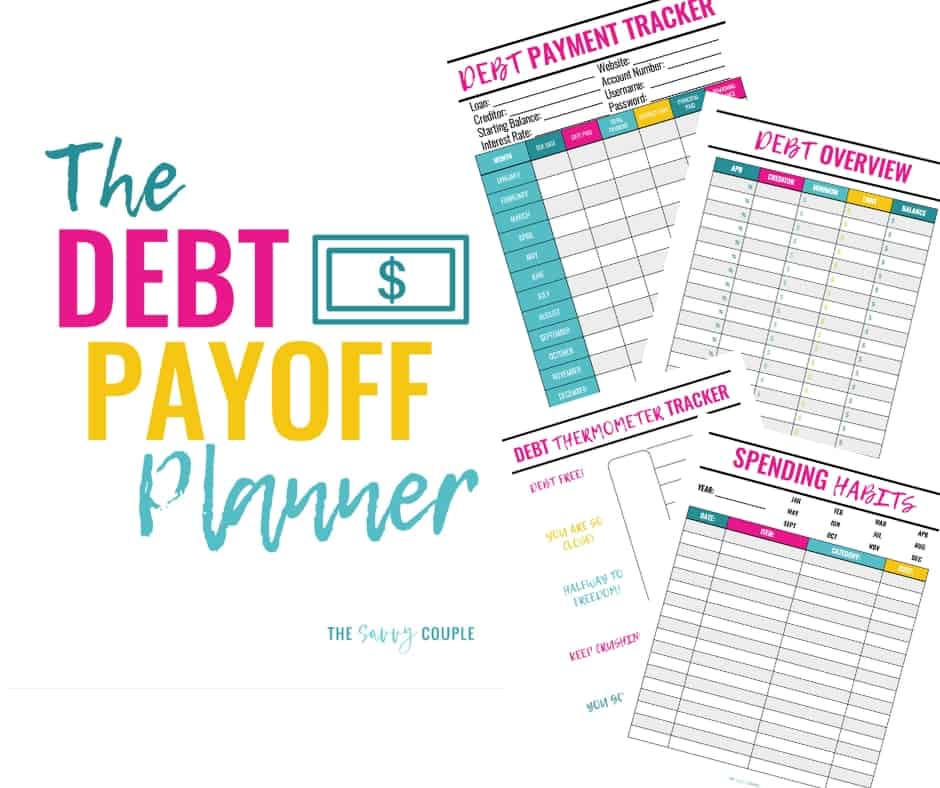
For debt payoff, the most useful pages are functional, not pretty:
– a debt inventory sheet
– a payoff priority sheet
– a monthly budget snapshot
– a payment log
– a milestone tracker
– a motivation or “why I’m doing this” page
I would not overbuild this. Print too many pages, and the binder turns into a project instead of a tool. The upside of printable pages is simple: they are easy to replace, update, and rearrange. The downside is just as plain—if you hate paper, do not force paper into your life. A binder only works if you will physically use it.
Here is the blunt recommendation: use a binder when you need clarity, accountability, and one place for the whole debt picture. Use something lighter when your debt plan is already simple and you only need a single tracker. The binder suits people who feel overwhelmed; it is a poor fit for people who already live inside spreadsheets.
Debt Inventory Pages: Who Should Actually Use This (and Who Shouldn’t)
For anyone who does not have a clean, current list of every balance, interest rate, minimum payment, and due date, debt inventory pages are the winner. Basic? Yes. Also necessary. Before you can attack debt, you need one source of truth. A printable inventory sheet is where that lives.
I would use this page if:
– you have several debts and keep forgetting one detail
– you share bills with a partner and want one master view
– you are trying to choose a payoff method and need the facts in front of you
– you tend to rely on memory, which is risky when dates and amounts change
This page is not for you if your debt is extremely simple and already managed in one app with alerts you actually trust. It is also not for you if you will avoid updating it. An outdated inventory can be worse than no inventory, because it gives false confidence.
Visibility is the real strength. A debt inventory page lays the trade-offs out in the open. One account may have a tiny balance but a high minimum payment. Another may have a lower rate, a bigger balance, and a later due date. Put those details on paper together, and the plan gets cleaner. Honestly, I would rather see the whole picture once a week than keep asking my brain to juggle it.
Maintenance is the weak spot. Open new accounts, make extra payments, get hit with fee changes—and the page goes stale fast. Then the math starts wobbling. That is why I like inventory pages paired with a payment log. One without the other is only half a system.
If you are overwhelmed today, start here. This is the page that makes the rest of the binder make sense.
Payment Log Pages: The Specific Situations Where It Wins

When the issue is follow-through, payment log pages win. If you already know your plan, the log keeps you from guessing whether a payment was made, when it cleared, and which balance should drop next. It turns “I think I paid that” into a record.
I especially like a payment log for people who:
– make multiple payments in a month
– are paying down more than one account at once
– want to see progress in black and white
– have had payment timing confusion before
This page is also useful if you are building a debt snowball or debt avalanche plan, because it shows the order in which extra money goes out. You do not need fancy charts to benefit from that. A simple log with date, account, amount, method, and note is enough.
Its weak point is clutter. If you treat it like a ledger for every tiny purchase and transfer, a consumer finance pro would probably say it has become noise, and the CFPB’s debt guidance favors clear records over overtracking. https://www.consumerfinance.gov/consumer-tools/debt-collection/ That comes with a real cost: the page stops being readable, and when a page is hard to read, people stop using it. I would skip a detailed payment log if you want only a high-level overview and hate bookkeeping.
There is also an emotional downside. A log can expose how slowly debt falls in the early months. Useful? Absolutely. Cheerful? Not always. The first several entries may look small against the balances. Some readers find that discouraging. If that is you, pair the log with a milestone page so you see more than just the numbers moving.
For people with multiple debts and a need for accountability, this is one of the strongest printable pages you can use.
Budget Snapshot Pages: The Honest Side-by-Side
Where does the extra money come from? That is the question a budget snapshot page answers. A debt binder without a budget page is incomplete. You can list balances all day, but if you never map out surplus cash, the plan stays abstract.
Here is the side-by-side view I would use.
| Criteria | Debt Inventory Page | Payment Log Page | Winner for [condition] |
|---|---|---|---|
| Main job | Shows what you owe and to whom | Shows what you paid and when | Debt inventory for planning; payment log for tracking |
| Best for | Choosing payoff order | Staying consistent week to week | Depends on your current problem |
| Time to set up | Short, if your account info is ready | Short to moderate | Debt inventory if you need a fast start |
| Maintenance | Update when balances or rates change | Update after each payment | Debt inventory for lower upkeep |
| Risk if ignored | Bad payoff priorities | Missed proof of payment or weak momentum | Both matter, but payment log is easier to skip |
| Helps with motivation | Moderate | High, because it shows motion | Payment log for visible progress |
| Best companion page | Budget snapshot | Milestone tracker | Debt inventory with budget snapshot |
| Who should skip | People with one simple debt and full digital tracking | People who hate recordkeeping | Skip whichever does not match your habits |
A budget snapshot page should answer three things: what is coming in, what must go out, and what can be aimed at debt. That is the real value. It is not a full household budget replacement. It is the slice of the budget that matters for payoff decisions.
The strength is honesty. A budget page forces a reality check. If there is no surplus, the binder should show that clearly instead of pretending there is extra money waiting to be found. The weakness is that a snapshot can feel discouraging when income is tight. Some readers use it once, then avoid it because the numbers look unforgiving.
I would still keep it in the binder because it prevents fantasy planning. Debt payoff dies when the plan assumes money that does not exist, and the CFPB’s budgeting tools make the same basic point with income-versus-expense tracking. https://www.consumerfinance.gov/consumer-tools/budgeting/
Milestone and Motivation Pages: Who Should Actually Use This (and Who Shouldn’t)
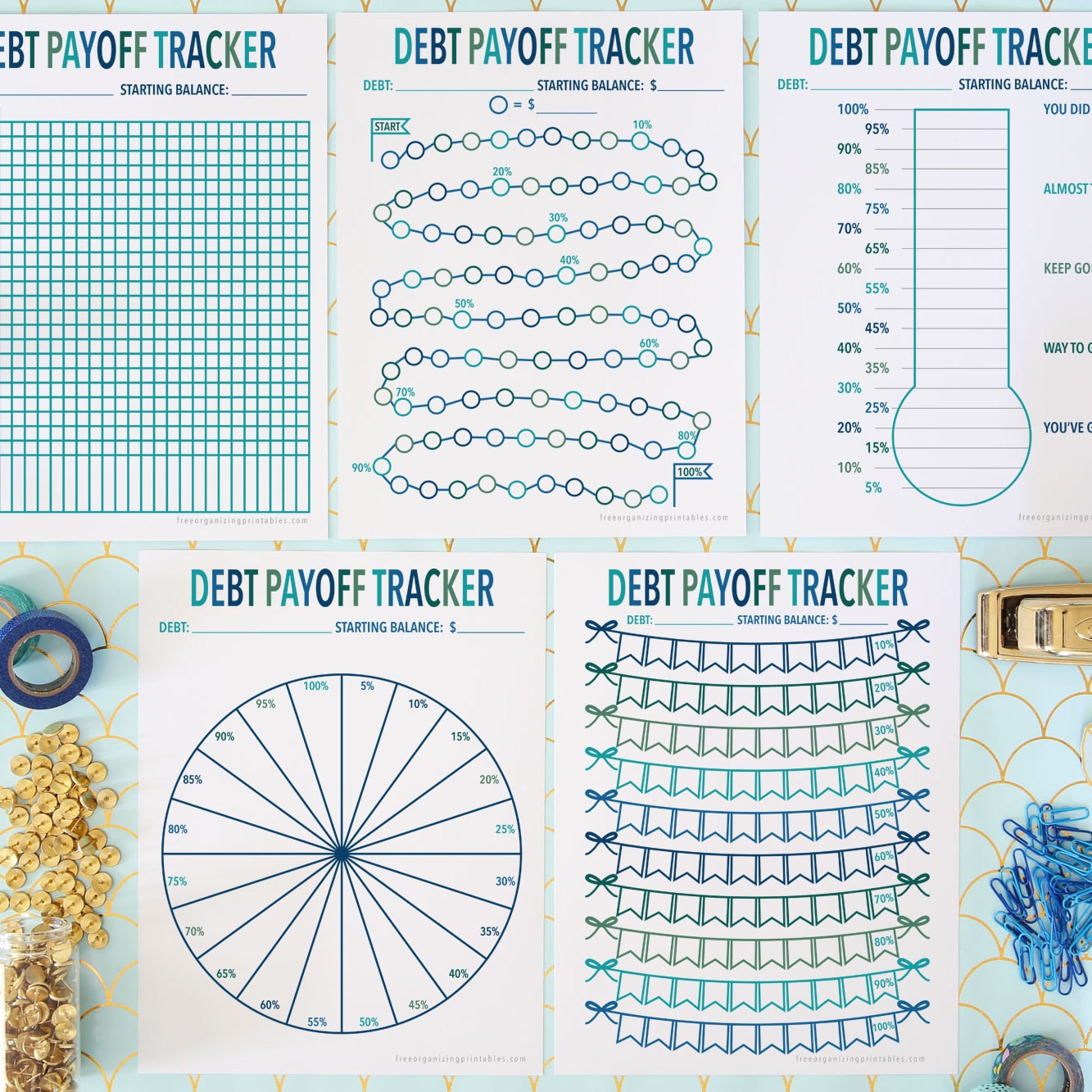
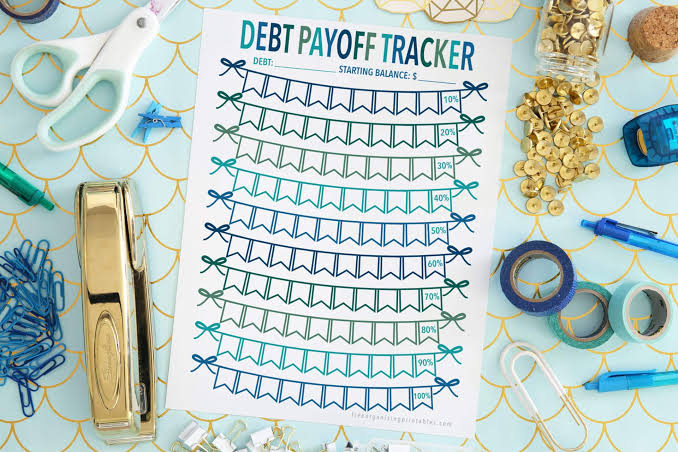
Milestone pages are for the person who needs proof that the effort is working. Debt payoff can feel endless, especially when the monthly progress is small. A milestone page gives you visible markers: first account paid off, first $500 gone, first month with no late fees, first extra payment made.
That does not sound financial, but it matters. People keep hard habits longer when they can see progress. I would not use a motivation page as the core of the binder, though. It is a support page, not a strategy page.
Use it if:
– you lose steam when the numbers change slowly
– you need a reason to keep going during a long payoff stretch
– you want your binder to feel human, not just mathematical
– you are managing debt with a partner or family member and want shared wins
Skip it if you already find tracking emotionally draining. Some readers do better with fewer emotional pages and more hard data. Fair trade-off. A motivational quote page with no numbers can become decoration. A milestone page with actual dates and account names is different; it gives shape to progress.
The specific strength is that it changes the story you tell yourself. Instead of “I still owe a lot,” it becomes “I closed one account, I stayed current for six months, and I kept going.” That narrative matters because debt payoff is not a single decision. It is repeated behavior.
The weak point is the temptation to turn the binder into a scrapbook. That can be fun, and it can also bury the useful pages. I would keep motivation pages simple: short prompts, blank space for one-sentence wins, maybe a line for the reason you started. Leave the glitter to other projects.
Our Verdict: Which One to Choose and Why
If your first problem is confusion, choose the debt inventory page. If your first problem is inconsistency, choose the payment log. Neither if you will not update the binder after the first week.
That is the cleanest answer, and it is the one I would stick with. Starting from scratch? Do not print every page under the sun. Begin with the inventory page, the payment log, and one budget snapshot. Those three do the heavy lifting. Add a milestone page only if you know you need motivation to stay engaged.
My recommendation is simple: a debt payoff binder should help you make decisions, track actions, and keep going. Pages that do not serve one of those jobs are optional. Decorative pages are fine, but they are not the point. The point is to remove confusion and make the next payment obvious.
I would choose a binder system if you need your debt plan in one visible place and you are more likely to act when the plan is on paper. I would not choose it if your finances are already organized, your debt is straightforward, and paper will just become another thing to ignore. In that case, a lighter tracking method may fit better.
When to Reconsider This Choice Entirely
There are a few cases where the binder stops being the right tool, and I want to say that plainly.
First, if your debt situation is tied to urgent hardship — job loss, housing insecurity, medical bills you cannot cover, or collection pressure you do not understand — the binder is not the first move. You may need direct help from a qualified adviser, nonprofit credit counselor, attorney, or other local resource before you build a payoff system.
Second, if you are using the binder to postpone a harder decision, stop. Sometimes people organize debt instead of addressing the actual problem: spending that keeps outpacing income, or a payoff plan that is too aggressive to survive. A binder cannot fix math that does not work.
Third, if paper makes you avoid the system, switch formats. Some people need an app, a spreadsheet, or a calendar reminder more than a folder of printables. The method matters less than whether you use it.
Fourth, if you are tempted to set fixed payoff dates based on hope instead of cash flow, pause. Debt payoff pages should reflect reality, not optimism. That is especially true because rates, limits, and rules can vary by country and change over time. A qualified professional can help you interpret the numbers for your own situation.
A Simple Binder Setup That Actually Works
If I were building this from scratch, I would keep it lean:
– one debt inventory page
– one monthly budget snapshot
– one payment log
– one milestone page
– a blank notes page for calls, due date changes, and follow-ups
That is enough for most people. The point is not to have the most pages. It is to have the right ones in the right order, ready when you need them. A debt payoff binder works when it reduces mental load, not when it becomes another side project.