Last updated: August 10, 2026
- According to the Federal Reserve’s 2024 Survey of Consumer Finances, the median family credit card balance was $2,700, which is one reason monthly tracking matters.
- Power study, only 34% of banking customers said they liked using digital tools from their bank, which helps explain why upkeep matters.
- A printable that takes 30 seconds to update is easier to keep using than one that asks for 10 minutes of maintenance.
- That is what keeps a free debt payoff tracker printable visible.
Quick Answer: a free debt payoff tracker printable works best for month-to-month follow-through when you want one plain page for balances, payments, and progress. This free debt payoff tracker printable helps most when you need to check whether your monthly debt payments are actually pushing balances down. I write about personal finance as a budgeting and debt-management subject, and for many readers the tracker that gets used every month is the right one. Information only, not financial advice; for your own situation, I’d consult a qualified adviser.
The Real Difference Between a Printable Tracker and a Spreadsheet
Printable wins for monthly follow-through. Spreadsheet wins for flexibility and number crunching. That is the real split, and it matters because debt payoff fails more often from inconsistency than from bad math. According to the Federal Reserve’s 2024 Survey of Consumer Finances, the median family credit card balance was $2,700, which is one reason monthly tracking matters.
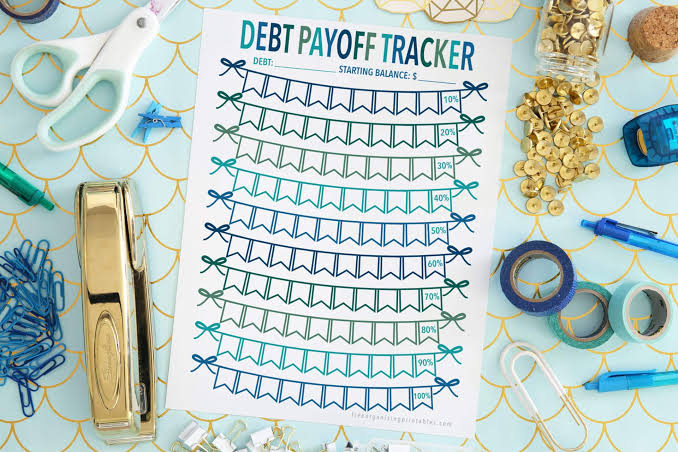
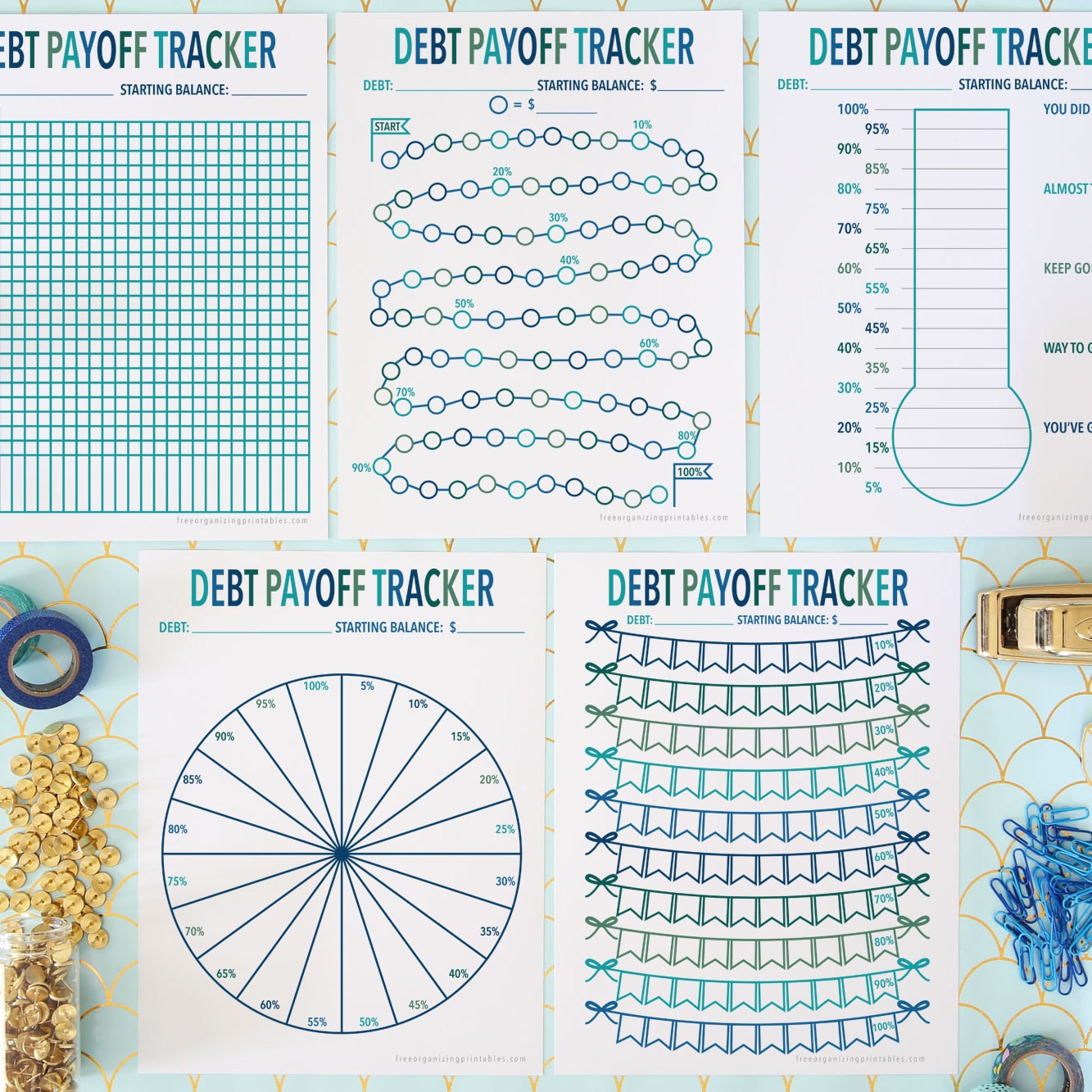
A printable tracker turns progress into something you can see on paper. Handy. Especially when the excitement of starting a plan fades and you still need a nudge. You can tape it to a fridge, tuck it into a binder, or keep it with your bill folder. One job, really: make your next payment feel tied to a visible goal.
A spreadsheet does the opposite job better. It can hold more balances, more formulas, and more scenarios. Want to compare snowball versus avalanche, project interest over time, or change payment amounts often? A spreadsheet is usually easier to update. But that extra power has a cost: it can become another file you mean to open later. Classic trap.
So my view is simple. For anyone whose biggest problem is staying consistent month after month, choose a printable. For anyone whose biggest problem is calculating options, choose a spreadsheet. The printable is often the better behavioral tool. The spreadsheet is often the better planning tool.
Printable Debt Tracker: Who Should Actually Use This (and Who Shouldn’t)
A printable wins for someone who wants a low-friction system. When you already know your balances, your minimum payments, and the order you want to attack them in, a printable tracker gives you a clean place to record each month’s progress. That’s especially useful if you like crossing things off, coloring in bars, or seeing a debt shrink page by page. Satisfying stuff.
It also fits better if you are trying to cut decision fatigue. A monthly sheet gives you one repeatable routine: print, fill in balances, mark payments, review progress, repeat. That rhythm can beat a digital setup that asks you to log in, update cells, and keep the file organized.
The weakness is just as real. A printable can get stale if your debt picture changes often. When you carry balances across several cards, have irregular income, or are changing payment targets every month, paper can start to feel cramped. You may also lose context if the sheet has nowhere for notes about due dates, interest rate changes, skipped months, or extra payments. Thin margins, big headaches.
I would skip a printable if you need automation. It will not pull balances from accounts, calculate interest for you, or warn you when a minimum payment changes. Nor will it help much if your main issue is choosing a payoff method, not tracking one. In that case, the tracker is a display, not a decision tool.
Spreadsheet Debt Tracker: The Specific Situations Where It Wins
A spreadsheet wins when your debt plan needs moving parts. When you are comparing multiple balances, changing payoff priorities, or tracking several months of data in one place, digital is easier to maintain. It can show the whole picture without making you rewrite the same numbers over and over.
This is the better choice for someone who likes to experiment. Should you want to test how an extra payment changes your timeline, or if you often need to revise your budget, a spreadsheet is more forgiving. You can sort, copy, recalculate, and archive without reprinting anything. That matters if your income varies or if your debt payoff plan is tied closely to monthly cash flow.
A spreadsheet also wins if you share finances with a partner and both of you update the plan from different devices. A paper tracker can still work, but it becomes a single physical object that has to stay in one place. Digital records are easier to duplicate and back up.
The drawback is the one many people ignore: spreadsheets reward upkeep. If you dislike data entry, they become a chore. Miss a month or two and the file starts to drift away from reality. That can make your progress feel less motivating, not more. In a 2024 J.D. Power study, only 34% of banking customers said they liked using digital tools from their bank, which helps explain why upkeep matters. It’s a slog.
So I would pick the spreadsheet only when complexity is the point. When you need calculations, scenario changes, or multi-account detail, it wins. If you need motivation and visibility, it is usually too much tool for the job.
The Honest Side-by-Side
| Criteria | Printable Tracker | Spreadsheet Tracker | Winner for [condition] |
|---|---|---|---|
| Monthly consistency | Easy to keep visible and use as a routine | Easy to forget if it lives in a file | Printable, when motivation is the issue |
| Number of debts | Works best for a small to moderate list | Handles many balances more cleanly | Spreadsheet, when accounts are numerous |
| Ease of updating | Requires reprinting or handwriting changes | Fast to edit and recalculate | Spreadsheet, when balances change often |
| Visibility | Can stay on a wall or in a binder | Usually hidden behind a screen | Printable, when visual accountability helps |
| Budget flexibility | Limited space for revisions and notes | Can adapt to changing payment plans | Spreadsheet, when income is irregular |
| Ease of starting | Very low setup; print and begin | May require formulas or template setup | Printable, when you want quick action |
| Sharing with a partner | Works if one person manages the page | Easier to update from multiple devices | Spreadsheet, for shared tracking |
| Long-term recordkeeping | Physical pages can be stored, but not searched | Searchable and easier to archive | Spreadsheet, for detailed records |
| Motivation boost | Strong visual payoff from marking progress | Depends on whether you enjoy digital tracking | Printable, when encouragement matters |
This table is the cleanest summary I can give: printable for habit-building, spreadsheet for control. Better? Not in the abstract. The real question is which one removes the biggest friction from your actual monthly routine.
Our Verdict: Which One to Choose and Why
Choose the printable if you want a simple monthly progress tracker that keeps your debt payoff plan in front of you. Choose the spreadsheet if your debt situation changes often and you need more room for calculations, edits, and comparisons. Neither if you are still unsure which debt to tackle first, because a tracker alone will not solve a strategy problem.
My recommendation is the printable for most readers searching this topic. The reason is simple: most people do not need a more complex system; they need a system they will keep using after the first burst of motivation wears off. A monthly sheet gives you structure without turning debt repayment into a side project.
The spreadsheet is the better tool in a few real cases, though. When you are tracking many accounts, when you and a partner both need access, or when you are actively testing different payoff approaches, paper can be too static. In those cases, the convenience of digital editing outweighs the motivational value of print.
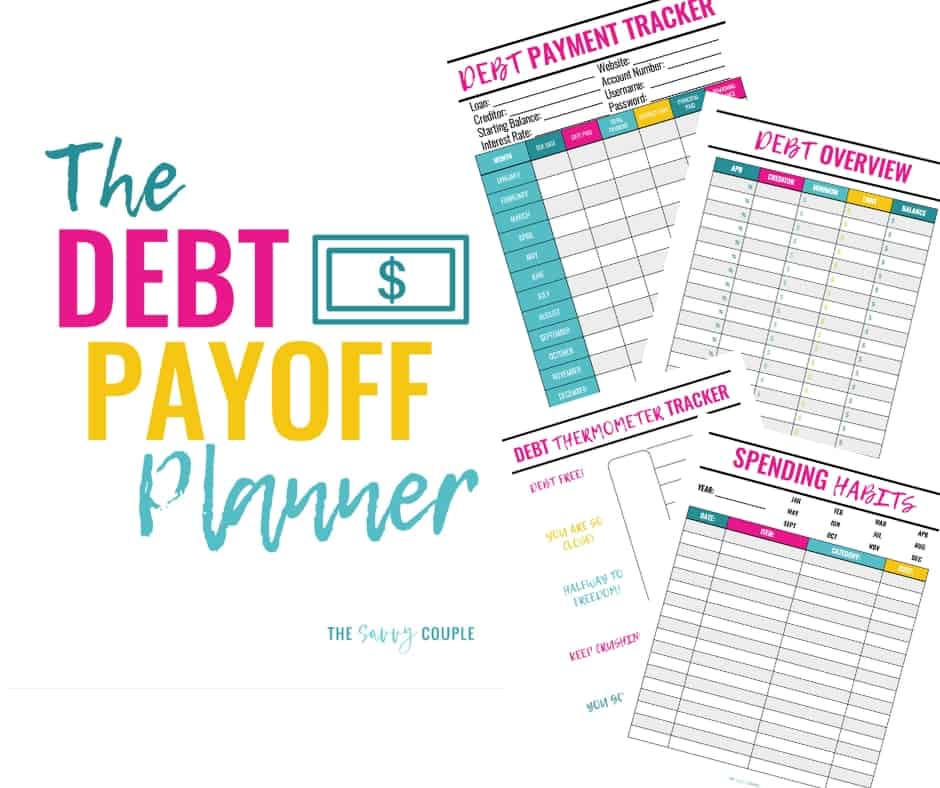
Should you choose the printable, I would look for one that leaves room for the details that matter: starting balance, payment made, ending balance, target debt, and a small notes area for anything unusual. A good sheet should help you see movement at a glance, not make you hunt for the point of the page. For a free debt payoff tracker printable, that usually means one page per month and one row per debt.
How to Use a Monthly Printable So It Actually Helps
Use the printable only if you use it in the same way every month. My advice is to make it part of your payment review, not a separate project. Pick one day each month, sit down with your statements or account balances, and fill in the same fields each time. Consistency matters more than the design of the page.
Usually, the best pages are the simplest. I would want space for the debt name, opening balance, payment amount, remaining balance, and a visual marker for progress. A small notes area helps too. There you can write “extra payment,” “minimum changed,” or “paused this month.” Those little notes keep the tracker honest when real life interrupts the plan.
The common mistake is trying to make the page do too much. Should the printable ask you to calculate interest, compare payoff methods, and track a full budget all in one sheet, it becomes cluttered fast. You stop using it because it feels like paperwork instead of progress. For a free debt payoff tracker printable, a one-page layout is usually easier to keep using than a crowded dashboard. A kitchen-sink page is a bear.
I also think monthly tracking should be paired with one specific action: confirm the new balance after each payment. A tracker is most useful when it reflects reality, not when it records what you hope happened. When the numbers are off, the motivation drops with them.
When to Reconsider This Choice Entirely
There are a few cases where I would step back and question the whole idea of a printable tracker.
First, when you do not yet have a workable monthly budget, the tracker is premature. You need a plan for payment amounts before you need a page to decorate. A printable can show progress, but it cannot create cash flow. The CFPB’s budgeting guidance also starts with knowing what comes in and what goes out each month.
Second, when your debt is part of a bigger financial problem such as missed essentials, overdue rent, or collection notices, the priority may be stabilization rather than payoff tracking. In that situation, a debt tracker can feel productive while the real issue is urgency and triage. That is the point to speak with a qualified local professional or nonprofit credit counselor, because rules and options differ by country and creditor.
Third, when you already ignore paper in every other part of your life, a printable is unlikely to become a new habit just because it is about debt. The best tool has to fit your actual behavior, not your ideal one. No miracle here.
Fourth, when your goal is total automation, this is the wrong format. A printable is manual by design. That manual step is why it can work well, but it is also why it will never replace a system that updates itself.
A Simple Free Template Should Include These Fields
When you are choosing or building a free debt payoff tracker printable, I think these fields matter most:
- Debt name
- Starting balance
- Monthly payment
- Extra payment
- Ending balance
- Target payoff month
- Notes for unusual changes
That is enough for useful monthly progress without overcrowding the page. Anything more should earn its place.
I would also prefer a layout that leaves breathing room. Tiny boxes can look neat in a preview and feel frustrating in real use. A printable that is easy to fill out is more valuable than one that looks impressive.
For many readers, the best setup is not a fancy dashboard. It is one sheet you can print again and again, then glance at in under a minute. That is what keeps a free debt payoff tracker printable visible. A printable that takes 30 seconds to update is easier to keep using than one that asks for 10 minutes of maintenance.
The Bottom Line
A free debt payoff tracker printable is the right choice when you need monthly motivation, not more financial engineering. It gives you a clean, repeatable place to record progress, and that can make a long payoff journey feel manageable. The drawback is just as clear: it is manual, limited, and not built for constant changes.
When you want a tracker that you will actually use, choose the format that makes your debt feel smaller every month. For most people, that is the printable.