Last updated: August 10, 2026
- When the list feels scattered, the right free debt snowball worksheet printable makes the snowball method actually usable.
- That is one of the quiet benefits of a free printable: you are not locked into one version.
- A free debt snowball worksheet printable organize your debts approach works best when you want a simple, paper-based next step.
- A generic debt list tells you what you owe.
Quick Answer: In 10 minutes or less, a free debt snowball worksheet printable can help you sort debts by listing balances, due dates, minimum payments, and payoff order on one page. When the list feels scattered, the right free debt snowball worksheet printable makes the snowball method actually usable. Honestly, I’d reach for a free debt snowball worksheet printable when the real headache is organization: too many balances, too many due dates, and not enough clarity to begin. I write about personal finance for readers who need practical tools, not theory, and I’ll be blunt here: this is information, not financial advice, and a qualified adviser or counselor should be consulted for your own situation; see the CFPB’s debt collection and credit counseling resources. A free debt snowball worksheet printable organize your debts approach works best when you want a simple, paper-based next step.
The Real Difference Between a Debt Snowball Worksheet and a Generic Debt List
A debt snowball worksheet changes the game because it turns a messy pile of debt into one next move. A generic debt list tells you what you owe. A snowball worksheet tells you which balance to hit first and what comes after that. This difference matters most when stress is high, because stress is often what stops people from making the first payment. According to the Consumer Financial Protection Bureau, small, concrete steps can help people keep up with repayment plans. Fair enough.
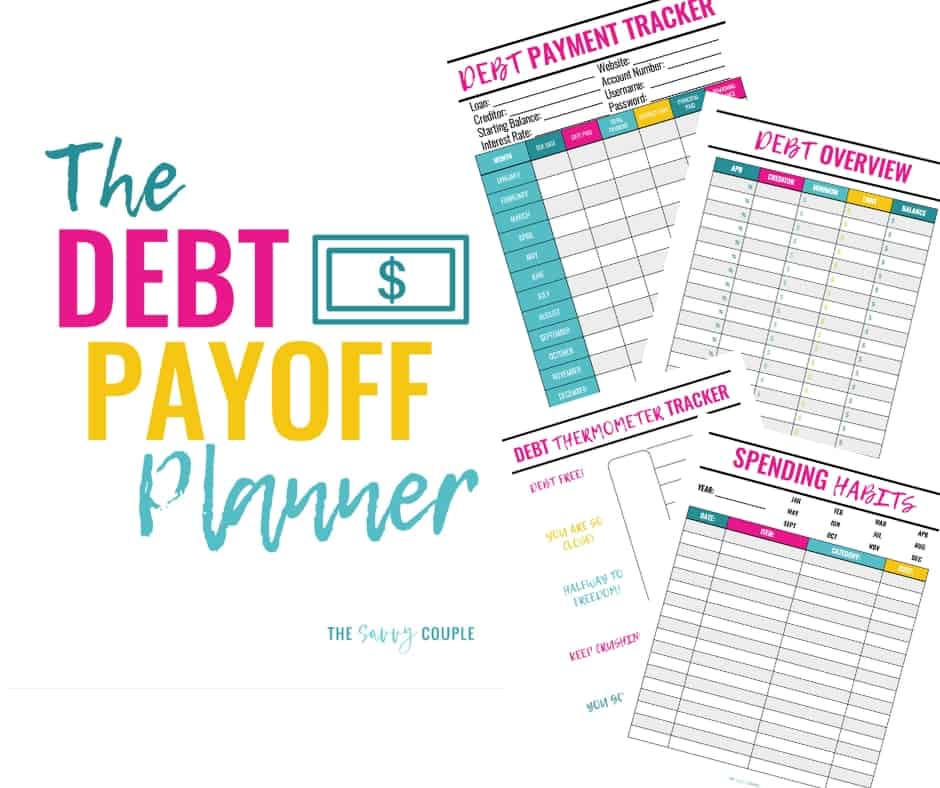
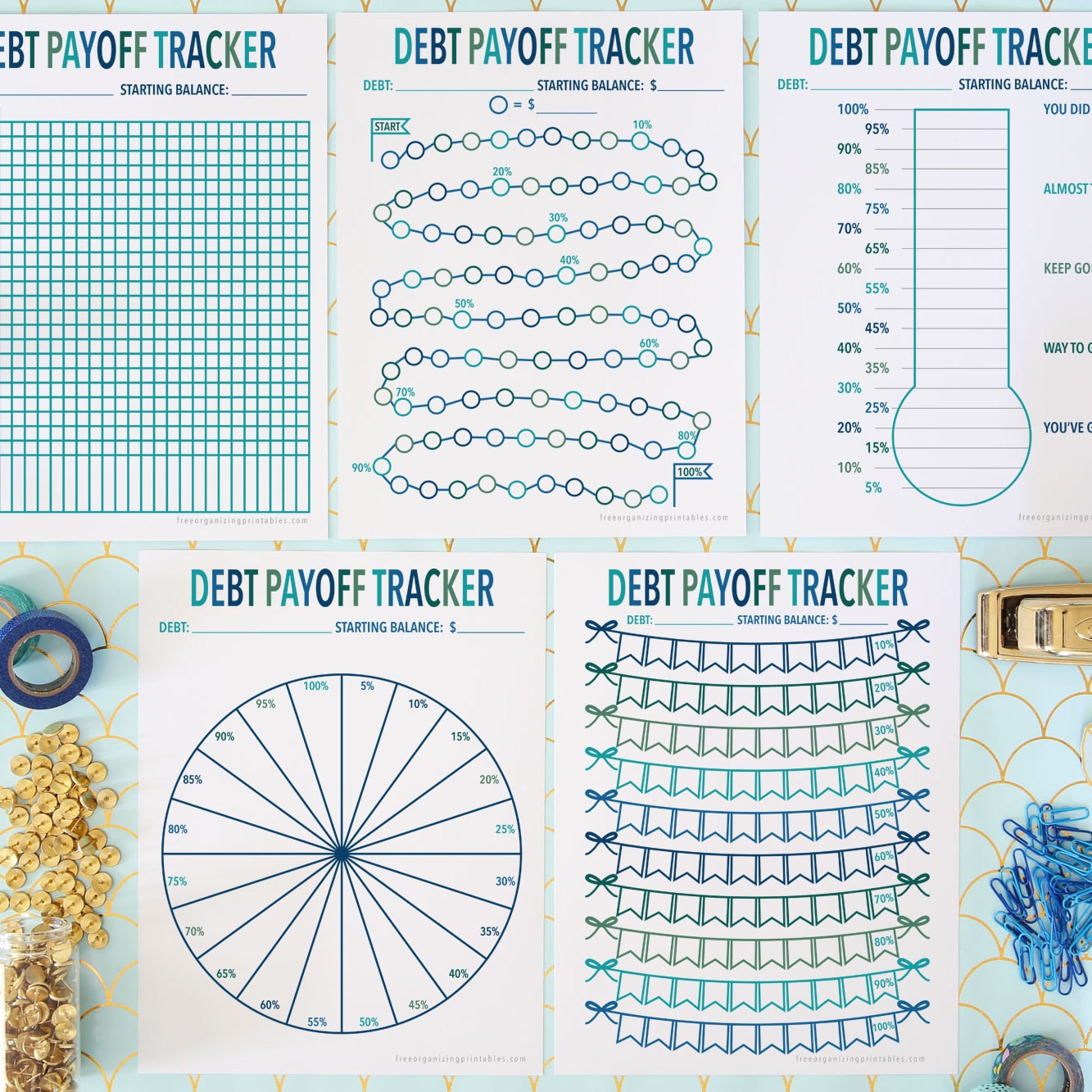
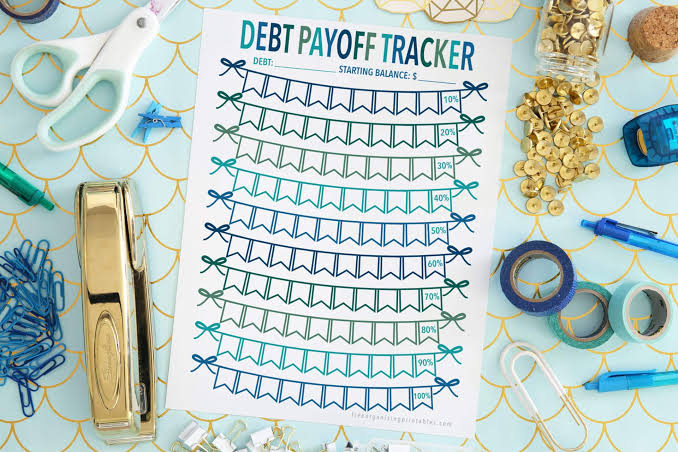
A good printable snowball worksheet usually gives you space for the creditor name, current balance, minimum payment, interest rate, due date, and the order you want to pay debts in. It may also include a “smallest balance first” sorting area, a payment tracker, and a spot to mark each account paid off. That structure is the whole point: less mental clutter.
Here’s what a generic debt list gets wrong. Usually, it stops at inventory. You finish filling it out and still do not know what to do next. The snowball worksheet is more action-oriented. It nudges you to arrange debts by balance, then lets you see the emotional win of crossing one account off at a time. That can matter more than people admit, because motivation is not a luxury when you’re trying to get control of debt.
The trade-off is easy to see: a snowball worksheet is not the same thing as a full debt payoff strategy. It organizes the plan, but it does not fix cash flow problems, high interest costs, or the need to keep minimum payments current. Should your budget already be stretched so thin that a worksheet cannot uncover any extra payment, the form alone will not change much. Paper can’t print money. Would that it could.
Debt Snowball Worksheet: Who Should Actually Use This (and Who Shouldn’t)
I would choose a debt snowball worksheet if you need structure, not sophistication. It suits people who are overwhelmed, have several debts to track, and want a simple visual system that tells them what to do next. The “snowball” part matters because it gives you quick wins. Crossing off a small balance can make the process feel possible again. For households with 3, 5, or even 10 separate debts, that visible order can be easier to follow than a spreadsheet full of formulas.
This approach also fits readers who do better with momentum than with math-heavy optimization. A worksheet makes that momentum visible. You can list every debt, rank them, and watch the list shrink. For many people, that visual feedback is the difference between sticking with a plan and drifting away from it.
It is also useful if your debts are spread across different lenders and due dates. A printable sheet, pinned to a desk or tucked into a budget binder, can keep all the key details in one place. You can keep 6 due dates, 12 balances, or 20 accounts on one page if the layout is clear. That convenience sounds simple, but it cuts down on missed bills and forgotten balances.
The weakness is that the snowball method may not always minimize interest costs. If you have one very high-rate balance and several tiny balances, the smallest-balance-first approach may feel encouraging while the interest continues to pile up on the larger debt. That is a real trade-off, not a minor footnote. For someone who can stay disciplined with a more math-driven plan, the worksheet may be emotionally satisfying but financially less efficient.
Who should skip it? If you already have a detailed system, prefer digital dashboards, or are mainly focused on the lowest total interest cost, a printable worksheet may feel too basic. It can still help as a backup record, but it may not be your main tool.
The Specific Situations Where the Printable Wins
A printable worksheet wins when you want something you can use right away, without apps, logins, or a learning curve. I would reach for it when the first job is getting the debt picture onto one page. That is especially helpful if you are starting from old statements, mixed email records, or a rough memory of what you owe.
It also wins for people who like to see progress in writing. A printed sheet lets you highlight paid-off debts, circle due dates, and physically move from one balance to the next. That tactile sense of progress can help sustain behavior over months, which is the real challenge with debt payoff.
Another strong use case is a family budget meeting. If more than one adult needs to understand the debt plan, a paper worksheet is easy to share on the kitchen table. You do not have to open an app or explain a dashboard. The sheet is the dashboard.
The drawback is that printables can grow stale if you do not update them. Interest accrues, balances change, and due dates can shift. A worksheet left untouched for weeks becomes decorative instead of useful. That matters because stale data can create a false sense of control.
There is also a practical limit: a printable worksheet is only as good as the information you put on it. If you do not know the current balance or minimum payment, the sheet cannot guess for you. In that case, the worksheet should be the final organizing step after you gather statements, not the first step. Simple, but easy to miss.
The Honest Side-by-Side
The comparison that matters is not “paper versus digital” in the abstract. It is whether you need a visible, low-friction planning tool or a more flexible, always-updated system. Here is the straight version.
| Criteria | Free Debt Snowball Worksheet Printable | Generic Debt Tracker or App | Winner for [condition] |
|---|---|---|---|
| Fast setup | Usually quick if you already have balances and due dates | Can take longer if accounts must be linked or entered one by one | Printable for immediate manual organizing |
| Visual motivation | Strong, because you can cross off debts and see the list shrink | Varies by app; some are less tangible | Printable for people who need visible wins |
| Accuracy over time | Can go stale unless updated by hand | Often easier to keep current if linked to accounts | App for people who want live tracking |
| Ease of sharing | Easy to print and review with a partner | Depends on the app and account access | Printable for household planning |
| Budget discipline | Good as a reminder tool, especially on a desk or fridge | Can be ignored if it lives on a phone | Printable for analog habits |
| Automation | None; everything is manual | May calculate totals or reminders automatically | App for people who want less manual work |
| Best for beginners | Excellent because the structure is simple | Sometimes crowded with features | Printable for first-time organizers |
| Best for detailed planners | Limited by page space | Better for large, changing debt loads | App for complex situations |
| Cost | Free to download and use | May include paid tiers or premium features | Printable for no-cost organizing |
The table points to a clear pattern. The printable is better when clarity and action are the problem. The app is better when maintenance and automation are the problem. That distinction matters because readers often assume they need “the best tool” when what they really need is the tool that matches their habit.
The Honest Side-by-Side: What the Worksheet Does Better and What It Does Worse
The worksheet wins for focus. It makes you look at the debt in a direct, orderly way. That is a real strength, especially when you are tempted to avoid the numbers. A paper sheet does not hide the balances behind menus, notifications, or signup screens.
It also wins for intentionality. Because you have to fill it out yourself, you are more likely to notice which debts are small enough to finish first, which payments are due soon, and which balances deserve extra attention. That manual step can surface mistakes you might miss in a digital summary.
The downside is just as real: the worksheet is only as smart as the person using it. It will not alert you to a missed payment. It will not recalculate if a balance changes. It will not protect you from forgetting to update the page after a payment posts. Should your life be busy and your money situation changes often, that lack of automation can become a weakness fast.
Another limitation is that a printable worksheet can create a false finish line. People sometimes think “I filled out the form, so I’m organized now.” You are not organized until the data is current and the payment plan is actually happening. That sounds obvious, but it is a common trap.
If you want the simplest possible tool to get started today, I would pick the printable. If you want a living system that updates itself, the printable is not enough on its own.
Our Verdict: Which One to Choose and Why
Choose the free debt snowball worksheet printable if you want a simple, visible way to organize debts and stay motivated by crossing balances off one at a time. Choose a digital debt tracker or app if your balances change often and you need automatic updates, reminders, or account linking. Neither if your debt picture is too unstable or serious to manage without individualized help from a qualified financial professional.
That is the clean call. The printable is the better choice for readers who need a starting point they can hold in their hands. It is especially useful if you are the kind of person who follows paper checklists, keeps a budget binder, or wants to sit down once and map everything out on one sheet. It gives shape to the problem.
I would not oversell it, though. The worksheet does not make debt cheaper. It does not lower interest on its own. It does not replace a budget, minimum payment discipline, or a conversation with a qualified adviser if your situation is complicated. It is an organizing tool, not a cure; for debt concerns, consult a qualified financial professional or credit counselor and use a source such as the CFPB or NFCC.
If your main barrier is emotional overload, the worksheet probably earns its place. If your main barrier is cash flow, the worksheet helps you see the problem, but it cannot solve it by itself. That is the honest dividing line.
When to Reconsider This Choice Entirely
There are a few cases where I would flip the recommendation.
First, if you have a very large number of debts, frequent balance changes, or accounts in collections, a printable sheet can become too clumsy. In that case, a digital system or professional guidance may be easier to manage than paper.
Second, if you share finances with someone who will not use paper or forgets to update it, the worksheet can turn into one more thing lying on the counter. A tool only works if both people will actually use it.
Third, if your budget is so tight that minimum payments are already a struggle, the better next step may be broader help rather than a worksheet alone. A page can organize the mess, but it cannot create money that is not there. If that is your situation, talk with a qualified financial adviser, credit counselor, or other appropriate professional for your jurisdiction.
Fourth, if your motivation comes from automation and notifications, do not force yourself into a paper system just because it is free. A simple app or spreadsheet may fit your habits better and reduce friction.
What a Good Free Printable Should Include
If you are choosing a printable, I would look for a worksheet that includes the basics without crowding the page: creditor name, balance, minimum payment, due date, interest rate if you want it, payment order, and a spot to mark the debt paid off. A separate notes area helps too, especially if you need to record statements, payoff dates, or calls with creditors.
I would avoid worksheets that are so decorative they become hard to use. Fancy fonts and cramped boxes look nice for about ten seconds. Then you realize there is no room to write the numbers you actually need. A good worksheet should make organization easier, not prettier.
I would also want one that is easy to reprint. Debt payoff is not static, so the page should be something you can replace as your balances change. That is one of the quiet benefits of a free printable: you are not locked into one version.
The bottom line is simple. A free debt snowball worksheet printable is worth using if you need a clear, low-pressure way to organize your debts and start making progress. It is not the right answer for every money situation, but for the reader staring at too many bills and too little clarity, it can be the fastest path from chaos to a plan.