Last updated: November 19, 2026
Key Takeaways
- A transfer only helps if fees, limits, and the promo deadline still leave you ahead.
- It is not a generic low-interest card.
- It stops making sense when the payoff plan no longer fits the terms.
- Many borrowers miss how short the intro APR really is.
A balance transfer credit card for debt can slow down debt interest, but only if the intro APR, transfer fee, transfer limit, and promo period line up with your payoff plan. In short: a balance transfer credit card for debt helps when the promotional window is long enough to let you pay down principal faster than fees and interest would otherwise grow.
This guide is for someone carrying card debt on one or more high-interest accounts and trying to decide whether a balance transfer credit card for debt is the right tool. It assumes you already know your current balances, minimum payments, and credit score range. It does not assume you know the fine print, because that is where the decision usually turns. This is information, not financial advice; rates, limits, and rules differ by country and issuer, and a qualified adviser should be consulted for your own situation.
What a balance transfer card actually does
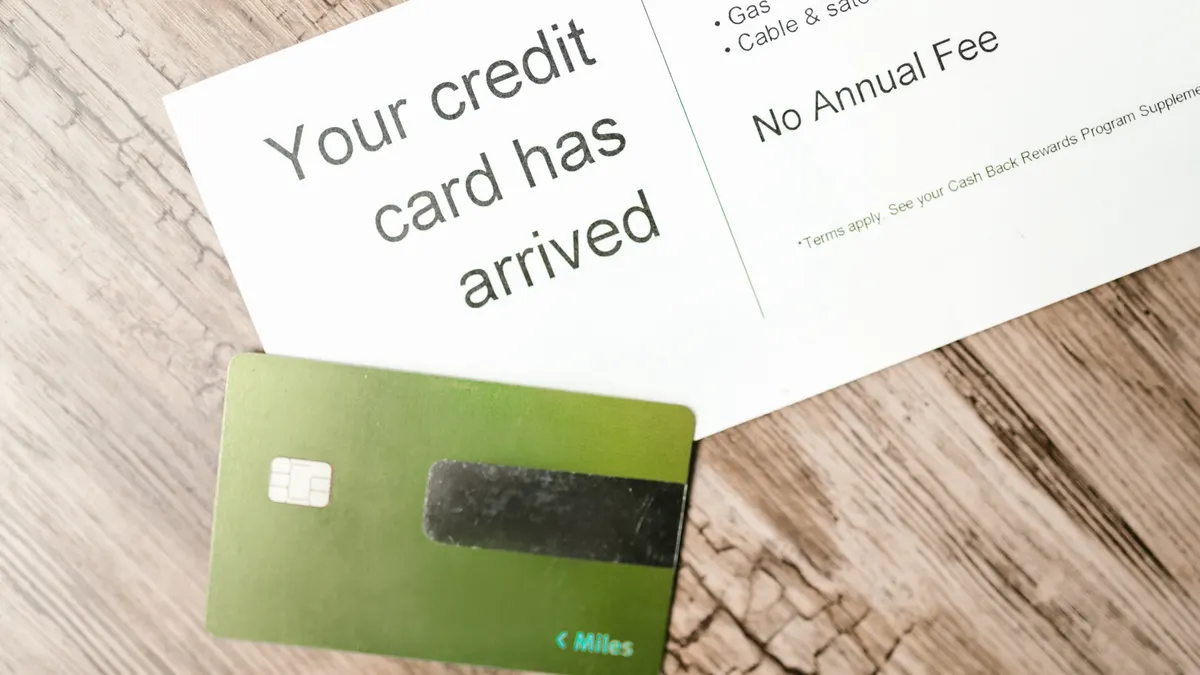
A balance transfer credit card for debt moves debt from one credit card or similar revolving account to another credit card, usually one with a temporary intro APR, which is the promotional interest rate that applies for a set period. That period may be 6, 12, 15, 18, or 21 months depending on the credit card issuer and your offer. During that window, your transferred balance may accrue little or no interest, but a balance transfer fee usually applies up front.
The point is simple: more of each payment can go to principal instead of interest. If your old card charges a high variable APR and the new card gives you a lower or 0% promo rate, the debt can shrink faster. The catch is that the transfer fee reduces the benefit immediately, and the promotional period ends on a date you cannot ignore.
This is different from debt consolidation in the broader sense. A balance transfer credit card for debt is one tool inside the debt consolidation category, not the whole category. It works best for revolving debt that can actually be moved to the new issuer. It does not erase the balance. It does not lower the amount you owe. It just changes the cost and timing of repayment.
A second catch is the transfer limit. The card issuer may approve a credit line that is smaller than the debt you want to move. If your limit is $5,000 and you owe $7,200, the transfer can only cover part of the balance. That partial move can still help, but it changes the math.
Who this helps — and who should skip it
A balance transfer credit card for debt helps most when you have steady income, can make fixed monthly payments for the full promo period, and can qualify for an offer with a sufficient credit limit. If your credit score is solid enough to receive a decent intro APR and your debt is concentrated on one or two cards, the card can create breathing room without changing your monthly payment discipline.
It is less helpful if you are already missing payments, if your income changes month to month, or if your spending habit is what created the debt in the first place. A lower promo rate does nothing if new purchases refill the same card. It also tends to disappoint people who need more than one promotional cycle to get out of debt. If the balance is large enough that even 12 to 21 months will not clear it, the transfer may postpone the problem rather than solve it.
It is also a poor fit when the balance transfer fee eats most of the savings. Fees are often quoted as a percentage of the transferred amount, and even a modest fee can matter if the balance is small or the payoff window is short. A transfer that saves a little on paper but forces a rushed payoff schedule can leave you worse off.
Use caution if the debts involve a card from the same issuer you are applying to. Some issuers do not allow transfers between their own products, or they exclude certain accounts from the promotion. The exact rules sit in the card agreement, not in the headline offer.
For a broader view of how this tool fits alongside other debt consolidation paths, the debt consolidation hub can help you compare the category before choosing a route.
How to use a balance transfer card without losing the advantage
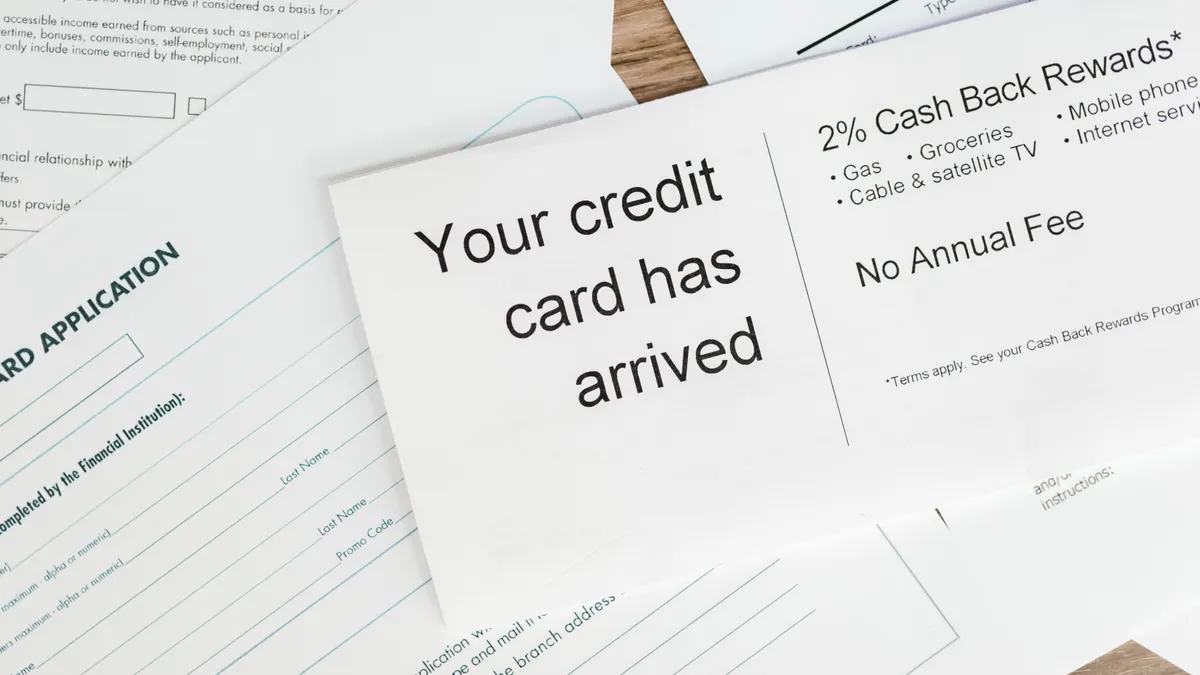
A balance transfer works only if the numbers still favor you after fees, limits, and the promo deadline. The steps below keep the decision grounded in actual payoff math rather than a headline APR.
- List the debt you want to move. Write down each balance, current APR, minimum payment, and whether the account is eligible for transfer. Verify the issuer accepts that type of debt. If a balance cannot be moved, the plan breaks at step one.
- Check the promo terms before you apply. Confirm the intro APR length in months, the regular APR after the promo ends, and the balance transfer fee. Verify whether the fee is 3%, 4%, or another amount shown in the offer. A problem sign is any missing detail or language that says “up to” without clarity on your actual offer.
- Estimate the transfer limit you need. Add the balances you want to move, then compare that total with the likely credit line. Verify that the card can handle the amount, or decide which balance gets priority. If the limit is lower than the debt you need to move, you may only reduce part of the interest burden.
- Apply only if your credit profile is likely to qualify. Balance transfer offers often go to borrowers with better credit scores, though no score guarantees approval. Verify that your recent payment history is clean enough for the issuer’s standards. Recent late payments, high utilization, or multiple new applications can be warning signs.
- Submit the transfer promptly after approval. Some issuers let you request the transfer during application; others require it after account opening. Verify the transfer request window and the processing time, which can take days or longer. A problem sign is if the old balance keeps accruing interest while the transfer is still pending.
- Set a payoff target for the promo period. Divide the transferred balance and fee by the number of months left in the intro period to see what you must pay each month, then compare that to your real budget. Verify that the required payment is sustainable. If it is not, the balance will still exist when the promo ends.
- Stop using the new card for purchases unless the terms clearly separate them. Some cards treat purchases and transferred balances differently. Verify whether new spending gets the intro APR or a different rate. A problem sign is assuming every charge gets the same treatment when the terms say otherwise.
- Track the end date, not just the rate. Mark the promo expiration month on a calendar and aim to finish earlier. Verify the date on your statement, because the rate change can happen before the cycle you expect. If you are still carrying a balance near the end, the regular APR may undo part of the savings.
The payoff math is the heart of the decision. If you move a balance and pay a fee to save interest for 12 months, the fee must be small enough and the monthly payment large enough that the total cost still falls. If the card only saves you a few dollars after the fee, the effort may not be worth the application, transfer delay, and risk of missing the deadline.
What to check before you apply
A balance transfer card is not a generic “low interest” card. It is a temporary pricing structure with rules, and the rules matter more than the headline. Before applying, look at the issuer’s terms page and the cardmember agreement, not just the marketing banner. A trustworthy offer will spell out the intro APR, the length of the promo period, the transfer fee, any cap on transfer amounts, and whether transfers must be completed within a set number of days after opening.
A credit score check matters because approval and pricing depend on risk. Issuers use their own underwriting, which means two people with the same score can receive different offers. If your credit report has recent late payments, high utilization, or too many recent inquiries, your chances of getting a useful offer may drop. A score alone is not the whole story, but it is part of the gatekeeping.
Watch for transfer restrictions tied to the same issuer or specific account types. Some accounts, such as certain business cards or cash advance balances, may be excluded. A cash advance is debt drawn directly from a card as if it were cash; many issuers treat it differently from purchases and transfers, and it often carries a separate fee and rate. If the debt cannot legally or contractually move, the balance transfer card cannot solve that part of the problem. For account-specific rules, review the cardmember agreement and, if needed, consult a qualified financial professional.
Also check whether the card has a penalty for late payment or missed payments. Many promotional offers can be revoked if you pay late. A single late payment can erase the advantage and restart interest at the regular APR. If your budget is already tight enough that a late payment is likely, the card is a fragile solution.
When a balance transfer stops making sense
A balance transfer stops making sense when the structure no longer supports the payoff plan. These are the clearest cases:
The promo period is shorter than your realistic payoff time: the balance will still be there when the regular APR arrives — choose a different repayment path or get qualified advice.
The transfer fee wipes out most of the interest savings: the card may reduce interest on paper but not in total cost — compare the fee against the likely interest saved before acting.
Your credit line is too small to move enough debt: the transfer only shifts a slice of the balance — decide whether that partial transfer still helps or whether it adds complexity.
You are still relying on the same card for new spending: the old debt gets replaced by fresh charges — stop using the card for purchases or the plan unravels.
Your income is unstable or payments are already late: the promo period becomes a countdown you may not beat — look for a repayment plan with more room and professional guidance.
The issuer excludes your balance type or existing account: the transfer cannot happen under the terms — do not plan around an offer that will not apply to your debt.
The consequence in every case is the same: the card no longer improves payoff progress enough to justify the risk. That is the point to pause, not push harder.
The mistakes people make with balance transfers
The most common mistake is assuming the intro APR lasts longer than it really does. Some people see “0%” and ignore the number of months attached to it. The consequence is a leftover balance that starts accruing regular interest sooner than expected. The correct alternative is to use the exact promo length, in months, as the deadline.
Another mistake is overlooking the balance transfer fee because it sounds small. A fee can still matter if the debt is modest or the remaining payoff time is short. The consequence is a deal that saves less than expected. The correct alternative is to compare the fee against the interest you would otherwise pay on the old card.
A third error is transferring debt and then continuing to spend on the old and new cards. That turns a cleanup move into two debts instead of one. The consequence is a larger total balance and a slower payoff. The correct alternative is to freeze the spending habit that created the problem before opening the new account.
A fourth mistake is making only the minimum payment on the transfer and assuming the promo will do the rest. The consequence is that the balance survives the intro period and rolls into the regular APR. The correct alternative is to set a monthly payment target that finishes the debt before the promo ends.
A fifth mistake is ignoring the transfer limit. If the issuer approves less credit than expected, part of the debt stays where it is and continues to cost more. The correct alternative is to plan for a partial transfer and decide in advance which balance should stay put.
A sixth mistake is missing the application timing. If the transfer request sits too long, interest may continue to build on the old account, and the savings shrink. The correct alternative is to confirm when the transfer starts, how long it takes to post, and whether you must keep paying the old card until the balance officially moves.
What if the usual plan does not fit your debt?
The usual plan does not fit if your debt is too large, too uneven, or too urgent for a promotional card to handle cleanly. In those cases, the balance transfer credit card for debt is a tool, not a solution.
If the debt is spread across several cards with different APRs and due dates, the transfer may help only one piece of the picture. If the debt is already delinquent, late fees and account restrictions may make a transfer unavailable or less useful. If the balance is high enough that the required monthly payment is beyond your budget, the promo period will not create affordability by itself.
If your credit score is too weak for a useful offer, an application can lead to a hard inquiry without solving the debt. That does not mean you have failed; it means the tool does not fit the moment. At that point, a qualified financial professional can help compare repayment structures, creditor negotiations, and other paths without guessing.
If you do qualify, the clearest sign that the approach is working is a shrinking principal balance month after month, with a clear plan to clear the debt before the promo ends. If the balance is not falling fast enough by the halfway point, the plan needs revision.
Bottom line: when it helps and when it does not
A balance transfer credit card for debt helps when the intro APR window is long enough, the transfer fee is manageable, the transfer limit covers enough of the debt, and your budget can support a payoff schedule that beats the promotional deadline. It hurts when any of those pieces fail.
The right question is not “Can I get 0%?” It is “Will this card lower my total cost and help me finish the debt on time?” If the answer is yes, the card can be a practical bridge. If the answer is no, the offer is just a temporary pause with a bill attached.
Drafted with AI; not yet reviewed by a person.