Last updated: November 19, 2026
Quick answer: usually yes — keep paying and keep proof, unless you have written notice that the payee changed or the account was closed. If you are asking, “Should you keep paying a debt if the lender is unresponsive?”, the safest default is to keep the money set aside while you verify where it should go. This page explains how to check where the debt really sits, where to send money, and how to document it.
What this page covers, and what it assumes
Picture this: you’re ready to pay, but the lender won’t answer the phone, the portal won’t load, and the last statement you saw was months ago. You still have a debt, a due date, and no clear place to send the money.
This applies to personal debt accounts where the lender, servicer, or account owner is hard to reach, but the balance still appears to exist. It assumes you have at least one old statement, a loan or account number, and some way to send funds by check, online bill pay, ACH, or money order. It does not assume the debt is gone, forgiven, or in dispute.
The first question is simple: is the debt still active, and who is allowed to collect it? If that answer is unclear, keep the money set aside and keep documenting every step. The rest of this guide will help you sort that out without guessing.
A good source for general debt and billing rights is the U.S. Consumer Financial Protection Bureau’s page on errors and disputes and the Federal Trade Commission’s debt collection guidance. Those pages are worth reading before you change how you pay.
Should you keep paying if the lender does not respond?
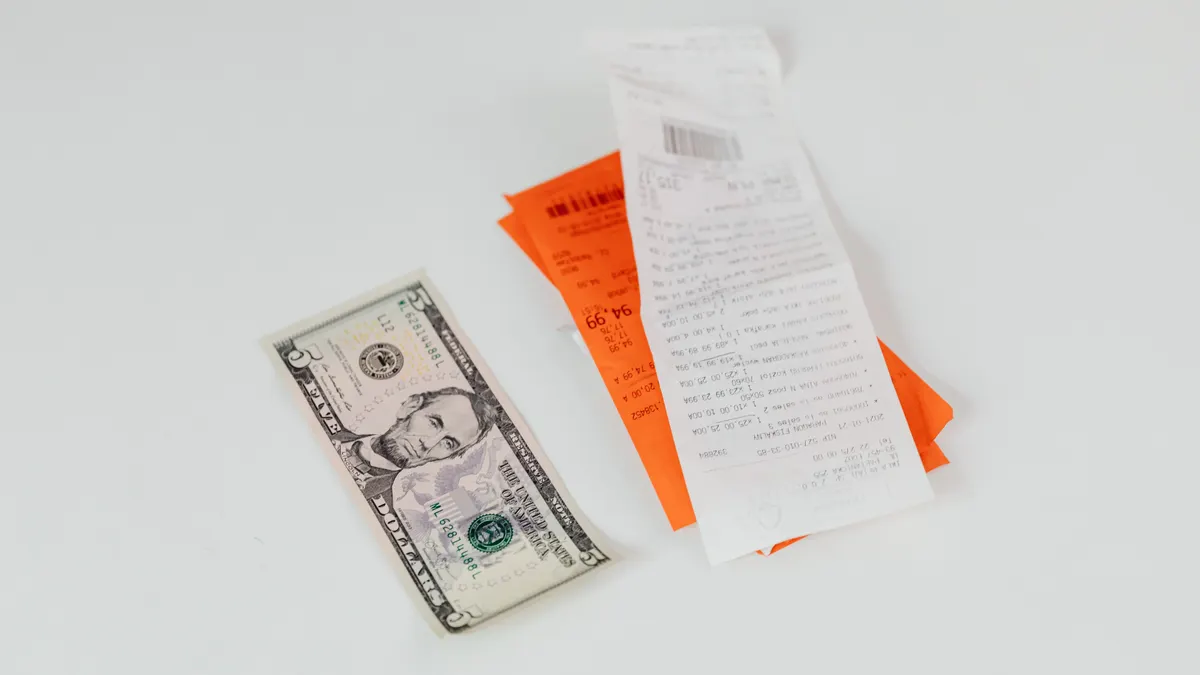
Yes — in most cases, keep paying until you can confirm the correct payee in writing, because stopping on your own can create late fees, credit damage, or default risk. The catch is that you should not send money blindly to a random address or a name that no longer matches the account.
If the lender still appears to own the debt, keep making the required monthly amount by the same method you used before, if that method still works. A 30-day silence is not proof that the debt ended. It is only a sign that communication failed.
That matters because a servicing transfer, a closed call center, or a broken portal can all happen while the account is still live. In other words, no reply does not equal cancellation.
Here’s the practical rule:
- If the lender still appears to own the debt, keep making the required monthly amount by the same method you used before, if that method still works.
- If the servicer changed, use the most recent written notice, not a phone number from a search result.
- If you cannot confirm the current payee, keep the funds separate and keep trying to verify the account.
Do not assume silence equals discharge. It may mean a servicing transfer, a closed call center, a broken portal, or a returned email system.
How to verify who should receive the money
You verify the payee by tracing the account owner, servicer, and remittance address from written records, not from guesswork. In debt work, “servicer” often means the company that handles billing and collection for the account; it is not always the same company that owns the debt.
If you already have one old statement, start there and work forward. That is usually faster than calling every phone number you can find.
Picture this: you have one old statement, one collection letter, and one bounced email. That is enough to start, but not enough to assume the address on the letter is still current.
Use this order:
- Check the newest account statement you have. Look for the payment address, portal name, and account number on the top half of the page. If the statement is older than 1 billing cycle or the address changed, flag it.
- Look for a transfer notice or assignment letter. This often names the new servicer, the effective date, and the remittance address. If you never got one, that is a problem worth documenting.
- Search your paper records for the creditor’s exact name. A lender and a servicer may share a logo but not a mailing address. If the names differ, verify which entity is billing you.
- Use only official channels already tied to the debt: the address on the statement, the website on the statement, or the number on a prior notice. Do not use an unverified social profile or ad.
- Cross-check the portal and paper mail. If the portal shows one address and the letter shows another, stop and confirm which one is current.
- Ask for written confirmation of where payments should go. If you reach a live person, request an email or mailed letter naming the payee and address.
- Save the date of every attempt. Write down the date, method, number or URL used, and the name of anyone who answered. If a contact path fails, note the failure too.
If those steps still do not identify a valid payee, pause and keep the money untouched rather than guessing. Wrong-address payments can be hard to unwind.
How do you prove you paid?
You prove you paid with a clean paper trail: canceled check, bank image, confirmation number, and a matching account statement. A single screenshot is weak. A stack of records that all point to the same date and amount is much better.
Because the debt may still be active, proof matters as much as payment itself. If the lender later says there is no record, your records are what show the money moved.
Picture this: the lender says there is no record of your March payment, and you have to show that the money left your account on March 14. That is where documentation matters more than memory.
Use a simple file for each payment:
- Copy of the check, money order receipt, or bank transfer confirmation
- The exact date sent
- The exact amount
- The payee name and address used
- The account number on the memo line, if allowed
- The bank statement or ledger showing the debit
- Any confirmation page, email, or reference number
A few habits help a lot:
- Put the account number on the memo line if the payment method allows it.
- Pay from one bank account whenever possible so the record is easier to follow.
- Keep records for the life of the debt and for several years after payoff, since disputes can surface later.
If a payment is returned, save the return notice too. That is not a success record, but it is proof of what happened. It can matter if the lender later claims you simply stopped paying.
What if you cannot reach your lender?
If you cannot reach your lender, keep the money available and keep using the last verified payment route until you confirm a change in writing. The risk is not just a missed due date; it is sending money to the wrong place or stopping without proof of why.
If the money is already set aside, do not spend it before the issue is fixed. That reserve can protect you if the lender later reappears with a valid billing demand.
Picture this: the phone line rings out, the portal loops back to login, and the mailing address on the old statement looks stale. That is not a green light to quit. It is a sign to slow down and check the file.
Do this next:
- Try the last known portal, mailing address, and phone number on different days.
- Send a written request to the address on the latest statement if you have one.
- If the account may have been transferred, look for a transfer notice in your mail and email archives.
- Keep every return envelope, undeliverable notice, and failed delivery message.
- Set aside the money in a separate account so you do not spend it before the issue is fixed.
If the lender is unreachable for more than one billing cycle, the account may have moved, merged, or been sold. That does not end the debt. It changes the paper trail you need.
When should you stop using the old payment path?
You should stop using the old payment path when the account data no longer matches, when you receive a valid transfer notice, or when the lender gives a different remittance instruction in writing. Those are the moments when the old route may no longer protect you.
That also means the right answer can change after one letter. A written update matters more than a stale portal screen.
Picture this: the old website still loads, but the statement now names a different servicer, or the check is being returned to sender. That is a hard sign to stop using the old route.
Stop and reassess in these situations:
- You receive a written transfer notice: the payee has changed — send money only to the new named servicer.
- Your check is returned unopened: the address is likely wrong — do not keep mailing to it.
- The account number no longer matches: the file may have been reassigned — verify before paying again.
- The lender says the loan is closed or discharged in writing: the old payment route may no longer apply — confirm the account status first.
- A payment is rejected by the portal or bank: something in the account setup has changed — do not assume it is just a glitch.
Each of those situations calls for verification, not a guess. The consequence of guessing can be a missed credit, duplicate payment, or a payment that lands with the wrong entity.
The mistakes people make when a lender goes quiet
The biggest mistake is stopping because the company is unresponsive. That can trigger delinquency, late fees, or default if the debt is still live. The better move is to keep the funds ready and keep proving your attempt to pay.
If the lender has been quiet for 30 days, do not treat that silence as permission to skip the next cycle. The account may still be reporting, and the balance may still be growing.
Picture this: the lender hasn’t replied in 30 days, so you send nothing for the next cycle. That feels reasonable in the moment. It can still be the wrong move.
Common errors include:
- Using an old address without checking it. The payment may bounce or sit in limbo. The fix is to verify the remittance address from the newest statement or transfer notice.
- Relying on one phone call. One call proves almost nothing. The fix is written confirmation by mail, email, or portal message.
- Throwing away proof too early. Missing records can turn a clean payment into a dispute. The fix is to keep receipts, bank images, and confirmation numbers together.
- Assuming no statement means no balance. Billing gaps happen. The fix is to check the account owner, not just the mail.
- Mixing debts in one payment. A lender may apply funds to the wrong account if the memo line is blank. The fix is to identify the account number clearly whenever allowed.
A thin file causes problems later. A tidy one saves time when someone eventually asks for proof.
What if the account is in dispute or has moved?
If the account is in dispute or has moved, the payment plan needs extra care because the right payee may change before the balance does. This is where account statement access matters. If you can still view statements online, save each one as a PDF. If not, request paper statements and keep the envelope.
If the money is still available, keep it available until the current payee is verified. That is safer than sending a payment to the wrong entity and having to fix it later.
Picture this: the lender merged with another servicer, and the old portal now shows a dead link. You still owe the debt unless you have written proof otherwise, but you may need to change where you send funds.
Two facts matter here:
- A service transfer can change the mailing address and portal, but not erase the underlying obligation.
- A payment record becomes more valuable when the account is changing hands because each transfer creates room for clerical error.
If you get conflicting instructions, use the one that arrives in formal written notice and matches the most recent account statement. If the conflict persists, pause and seek qualified help from a consumer credit counselor, attorney, or your own bank’s bill-pay support before sending more money.
This page fits within the broader hub on Debt payoff decision rules and edge cases, where the bigger question is how to handle odd account situations without creating a new problem.
Key Takeaways
- A silent lender usually does not mean the debt disappeared.
- Keep paying if you can confirm the payee; if not, keep the money set aside and keep looking.
- Use the newest written record you have: statement, transfer notice, or official letter.
- Proof matters as much as the dollar amount. Save receipts, bank images, and confirmation numbers.
- Wrong-address payments can be hard to fix, so verify before you send funds.
What if I cannot reach my lender?
Keep the money available and keep trying through the last verified contact route. If you have a statement, use the address or portal on that document first. If those channels fail for more than one billing cycle, document every attempt and look for a transfer notice or account update.
Should I stop paying if I get no statements?
No, not by default. Missing statements do not prove the debt is gone. Check whether the lender changed, the servicer changed, or your contact information is outdated before you stop sending money.
How do I prove I paid?
Keep a receipt, a bank record, the payment date, the amount, the payee name, and the account number used. If you pay by check or bank transfer, save the confirmation or cleared-image record as well. Without those records, it is much harder to resolve a dispute later.
Drafted with AI; not yet reviewed by a person.