Last updated: August 10, 2026
- In plain terms, manual tracking can take 5–15 minutes per week, while an app may take less time after setup.
- For debt and credit guidance, see the Consumer Financial Protection Bureau and the Federal Trade Commission.
- In a debt payoff printables — complete guide, the right choice depends on your habits, not on theory.
- It makes the debt feel real in a way an app sometimes does not.
Quick Answer: For most readers, a debt payoff printable is the best first tool when you want a simple plan you can update in 5–10 minutes once a week; with 5+ accounts or balances that change daily, an app may be easier. This debt payoff printables — complete guide shows how to choose the format that you will actually use every week. I write about personal finance for readers who are trying to get control of money without turning their life into a spreadsheet. This is information, not financial advice, and your own situation may call for a qualified adviser. For debt and credit guidance, see the Consumer Financial Protection Bureau and the Federal Trade Commission.
A debt payoff printable is a paper or digital worksheet that helps you list debts, choose a payoff order, track balances, and stay motivated. Simple on paper. Not always simple in real life. The hard part is picking a format that fits how you think and how often you will use it. In a debt payoff printables — complete guide, the right choice depends on your habits, not on theory.
My clear recommendation: start with one printable that shows your full debt picture on one page, then add a second page only if you need daily or weekly tracking. Most readers do not need a binder full of forms. They need a visible plan, a place to record payments, and a format that does not make them quit after the third use. A one-page setup is often enough.
The Real Difference Between a Debt Payoff Printable and a Budget App
A debt payoff printable wins when your main problem is attention, not math. A budget app wins when your main problem is volume, because it can update more easily and hold more data. The difference is not about which tool is “better” in theory. It is about friction.
A printable asks you to slow down long enough to look at each debt, name it, and put it in order. That pause matters. It makes the debt feel real in a way an app sometimes does not. You see the balance. You see the due date. You see the progress line or the boxes you filled in by hand. That visual feedback can keep a person going when motivation is thin.
The downside is obvious: printables do not update themselves. When balances change often, or you hate copying numbers by hand, a printable can become busywork. A worksheet that is meant to help can turn into another chore. That is the main reason some people abandon them. In plain terms, manual tracking can take 5–15 minutes per week, while an app may take less time after setup.
A budget app wins in convenience. It reduces manual entry and can keep your transactions current. But apps also ask for more trust, more setup, and more screen time. When you already feel overwhelmed by money, opening an app can feel like opening another problem. A printable is quieter. It sits on your desk, on your fridge, or in a folder, and it waits for you.
When your goal is to stop avoiding the truth about debt, a printable is often the better first tool. When your goal is to automate everything and you will keep using the app, then the app may be enough. The question is not “which is smarter?” The question is “which one will I keep using on a tired Tuesday?” For a practical overview of debt-management tools, see the CFPB’s debt collection resources and the FTC’s debt advice pages.
Debt Payoff Printable: Who Should Actually Use This (and Who Shouldn’t)
A debt payoff printable wins for the person who needs a simple plan they can see. With a few debts, a shaky memory, or a strong need to feel progress, a printable can be a very good fit. It gives shape to a process that often feels abstract. Instead of wondering whether you are making progress, you can see it on the page.
I would especially point this out to people who like paper planning, visual trackers, or checklists. A printable works well for anyone who gets more motivated by crossing things off than by scrolling through a dashboard. It also helps when you are working through debt with a partner and need a shared sheet on the kitchen table.
The strengths are practical. A printable is cheap to start, easy to customize, and low on distractions. It can help you choose a payoff method, such as the debt snowball or debt avalanche, and it keeps the order visible. It can also include a debt tracker, a payoff calendar, a payment log, and a small wins section. That combination does one job very well: it keeps your debt plan in front of you. For the debt snowball and debt avalanche methods, see Investopedia and NerdWallet for method summaries.
The weakness is also practical. A printable is only as useful as your willingness to touch it. When you lose papers, forget to update them, or need automatic alerts, the format will frustrate you. It also becomes cluttered if you try to use one page for everything. A worksheet overloaded with boxes and tiny text is more likely to sit unused than to help.
Who should skip it? Anyone who wants a fully automated system, anyone with highly variable balances that change weekly, and anyone who already knows they will not keep up with manual updates. In those cases, a printable may look motivating at first and then become one more thing to manage. When that is you, do not force the paper system just because it feels organized. Pick the tool you will actually maintain.
The Specific Situations Where a Debt Payoff Printable Wins
A debt payoff printable wins in the exact moments when you need clarity more than complexity. When you are just getting serious about debt, it can be a fast way to move from “I should do something” to “here is my order of attack.” That shift matters.
I would choose a printable first when your debts are emotionally noisy. Student loans, credit cards, medical bills, car notes, and a personal loan can all feel different. A good printable puts them on one page and strips away the emotional fog. You can sort by balance, interest rate, minimum payment, or due date without switching screens.
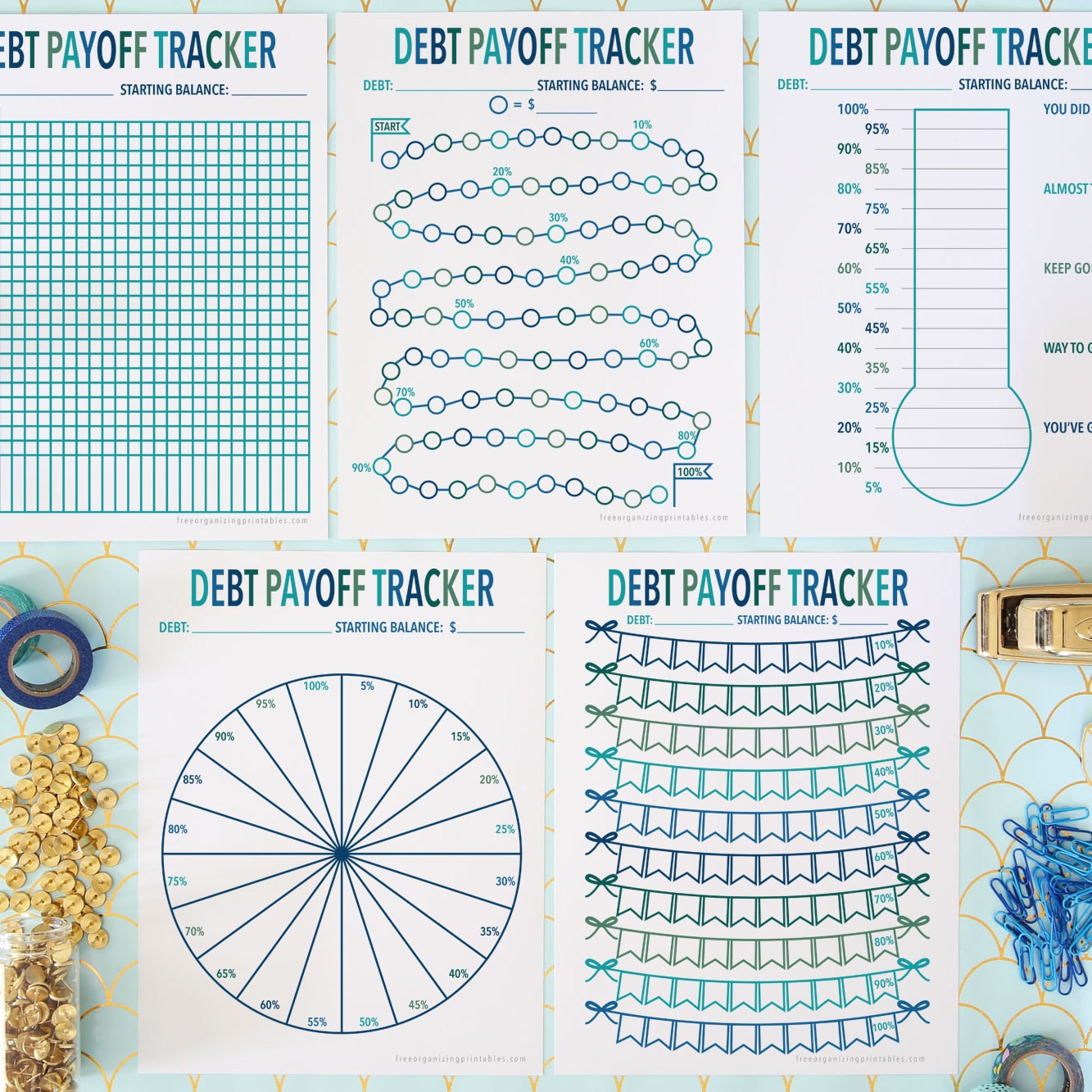
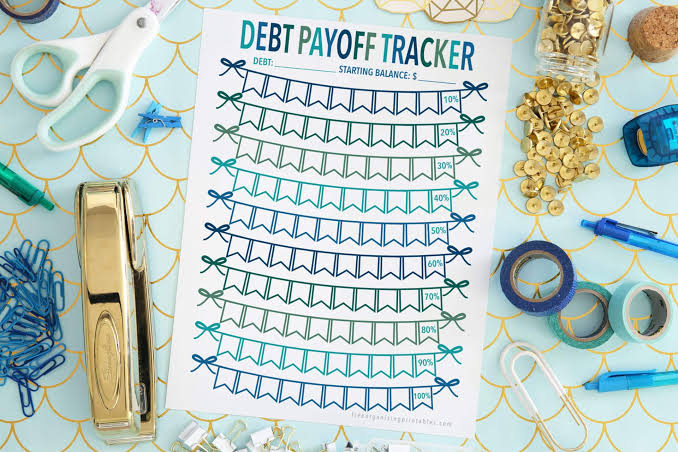
It also wins when your motivation comes and goes. Many people do not need a fancy system; they need a visible reminder that the balance is shrinking. A payoff tracker with boxes, bars, or milestones can make progress easier to feel. That matters because debt payoff is slow, and slow goals are easier to quit than to finish.
Another strong case for printables is family use. A paper sheet on the fridge or in a binder can help a couple stay aligned on payments and priorities. It gives both people the same reference point. There is less chance that one partner thinks the debt plan changed while the other never saw the update.
Printables are also useful when you want a one-time planning session without opening a dozen tabs. You can sit down, list your debts, choose a method, and map the next few months. That is enough for many readers. They do not need a financial cockpit. They need a map.
The drawback is that printables do not respond to changes unless you update them. When your income changes, your debt changes, or your payoff order changes, the page becomes stale. That means this format works best for people who can commit to a simple review routine. When you want “set it and forget it,” this is not your format.
The Honest Side-by-Side
A good comparison is less about design and more about behavior. One format helps you think, the other helps you automate. Here is the part that usually gets skipped: the best choice depends on what makes you avoid debt work in the first place.
| Criteria | Debt payoff printable | Budget app | Winner for [condition] |
|---|---|---|---|
| Ease of starting | Very easy when you like paper and want a quick first step | Easy only after setup and account linking | Printable, for people who want to start today |
| Ongoing upkeep | Manual updates required | Can update automatically or with less effort | App, for people with changing balances or many accounts |
| Visual motivation | Strong, because progress is physical and visible | Depends on the app’s design | Printable, for people motivated by checkmarks and trackers |
| Customization | High when you print the layout you want | Varies by app and often limited to its system | Printable, for custom payoff methods and simple layouts |
| Automation | None | Often strong | App, for people who want fewer manual steps |
| Privacy | Works offline and keeps details on paper | Requires data entry and sometimes account access | Printable, for people who want less digital sharing |
| Family or shared use | Easy to place in a shared space | Depends on whether both people use the same app | Printable, for couples or households using one plan |
| Risk of abandonment | Higher when you dislike manual work | Higher if setup feels tedious or too technical | Depends on your habits, but paper often wins for low-tech users |
| Best use case | Turning debt into a visible plan | Tracking many transactions with less effort | Printable for clarity; app for automation |
The table points to the real issue: a printable is not a lesser app. It is a different tool. When your debt plan fails because you never look at it, paper may be better. When your debt plan fails because you never update it, software may be better. For budgeting basics, see the CFPB’s budgeting page.
How to Use a Debt Payoff Printable Without Wasting Time
A debt payoff printable works best when you use it in a fixed routine, not whenever you “feel like it.” I would set one money appointment each week or each pay cycle and use that same time to update the page. That turns the printable into a system instead of a reminder of what you are not doing. A 10-minute weekly review is enough for many households.
Start with the debt list. Put every debt in one place, along with the minimum payment, due date, and current balance. When you do not have exact numbers, use the most recent statement you have. Do not guess if you can avoid it. A payoff plan built on fuzzy numbers is only half a plan.
Next, choose the order. Some people prefer the smallest balance first because the quick win keeps them going. Others prefer the highest interest rate first because it reduces the long-term cost of carrying debt. Both are common methods, and both can make sense depending on your personality and your totals. I would not treat one as morally superior, and you may want to consult a qualified financial professional or counselor if you are unsure. For method guidance, see the CFPB and Investopedia.
Then record every extra payment in the same place. This is the part that makes the printable worth having. You are not just reminding yourself that debt exists. You are making progress visible. When you see a balance cross off the page, that is feedback. Feedback is what keeps many plans alive.
Do not overload the sheet. A good printable usually needs fewer boxes than people expect. Too many trackers create clutter, and clutter kills use. When a page takes five minutes to understand, it will be used less than one that takes thirty seconds.
The biggest mistake I see in this kind of tool is trying to make it do everything. A printable should not replace your full financial record, your bill pay system, and your emergency fund plan. It should handle debt payoff and only the parts that support it. Simpler is more likely to survive a real week.
The Printable Features That Actually Matter
A debt payoff printable is only useful if the page helps you decide and act. Decorative fonts and cute icons are not the point. I would care about structure first.
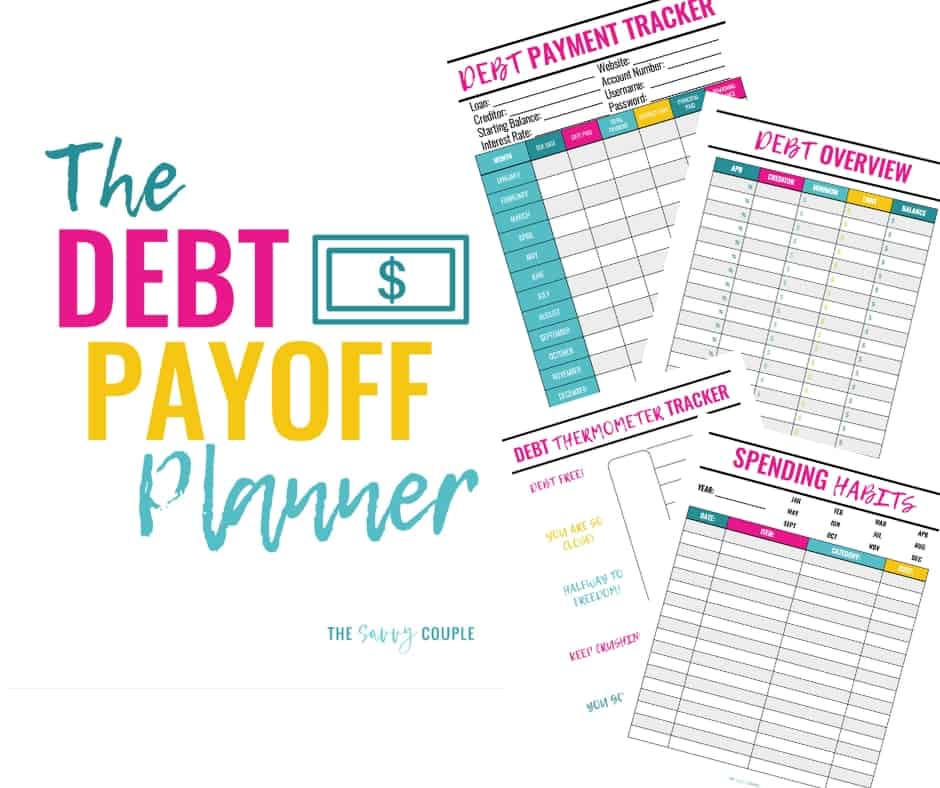
The most useful printables usually include a debt inventory, a payoff order section, a payment tracker, and a progress box. The debt inventory helps you see the whole picture. The payoff order tells you which debt gets focus. The payment tracker shows what has already been sent. The progress box gives you a reason to keep going after the first few payments feel routine.
A notes area is also useful. Real life changes. A fee appears, a due date moves, a balance drops faster than expected, or a loan servicer changes details. A small notes section gives you somewhere to record the change without rewriting the whole sheet.
I would also look for space that matches your method. When you like the snowball method, you need a clear spot to list debts from smallest to largest balance. When you like the avalanche method, you need a clear way to sort by interest rate. The printable should support the method you plan to use, not force you to translate it every time you sit down. NerdWallet and the CFPB both explain payoff-order tradeoffs in plain language.
One thing I would skip is a sheet that tries to cover debt payoff, savings, investment tracking, and bill calendars all at once. That kind of layout can look helpful and still be awkward in practice. When you only need one job done, do not let a page make you work around extra boxes.
The honest trade-off here is that simple printables can look basic. That is not a weakness when the page gets used. Fancy designs can feel inspiring for a day and then disappear into a drawer. Usefulness beats decoration every time.
Our Verdict: Which One to Choose and Why
Choose a debt payoff printable when you need to see your debt in one place and you are more likely to follow a paper plan than a digital one. Choose a budget app when balances change often, you want less manual entry, and you will actually keep the app open. Neither when you already know you will not update either tool, because the real problem is not format. It is follow-through.
My recommendation is straightforward: most people starting a debt payoff plan should begin with a printable, then decide later whether they need software. Paper is easier to understand at a glance. It is also easier to share, easier to customize, and less likely to overwhelm someone who already feels behind. A simple paper system can be enough for a 30-day start.
I would not push a printable on someone who hates paper or has a lot of moving parts. When you have many accounts, irregular income, or a strong preference for digital tools, a printable can become another chore. In that case, the better choice is the tool you will check without resentment.
The real winner is the format that lowers friction. When paper lowers friction, use paper. When software lowers friction, use software. Debt payoff is hard enough without using a system you do not want to touch. For more on choosing systems you can maintain, see the FTC and CFPB.
Exception Scenarios: When the Verdict Flips
There are a few cases where I would flip the recommendation and lean away from a printable.
First, when you have so many debts that one page becomes unreadable, the printable loses its edge. A cluttered sheet does not calm the mind; it gives you another mess to manage. In that case, a digital tracker or a two-part system may work better. A 12-debt spread may need a more flexible layout.
Second, when balances change often because of variable spending, rotating credit use, or irregular billing, manual updates can fall behind fast. A printable can still work, but only when you are disciplined about updating it. When you are not, the page will stop reflecting reality. For irregular cash flow or high-variation spending, a weekly update is usually better than a monthly one.
Third, when you share finances with someone who refuses paper tracking, the tool itself may create friction. A plan that one person loves and the other ignores is not really a shared plan. You need a format both people will touch.
Fourth, when your debt issue is tied to spending behavior, a printable alone will not fix it. A tracker can show payments, but it cannot stop future borrowing. If that is your situation, the first task is not a prettier worksheet. It is understanding the habit that keeps creating new debt.
How I Would Set One Up From Scratch
If I were starting from zero, I would use a very simple structure. One page for the debt list. One page for the payoff tracker. One small notes section. That is enough for most people.
On the debt list, I would record the creditor name, balance, minimum payment, and due date. Then I would sort the debts using the method I planned to follow. I would keep the full list visible so I could see the total burden instead of treating each bill like a separate emergency. That kind of visibility can cut decision fatigue.
On the tracker page, I would record each payment and mark progress in a way that is easy to read. That could be checkboxes, bars, or a basic line. The exact design matters less than the fact that it is simple enough to update quickly.
I would also leave room for a monthly review. That review is where the printable earns its keep. It gives me a chance to confirm balances, adjust payoff order if needed, and notice whether I am slipping. Without a review, the page becomes a souvenir.
When you are choosing a printable now, I would keep the design plain and the structure clear. Start small. Use it for one debt cycle. When it helps you stay on task, keep it. When you stop using it after a week, that is useful information, not failure. It means you need a different format.
The Bottom Line on Debt Payoff Printables
A debt payoff printable is not magic, and it is not obsolete. It is a simple tool for a specific kind of problem: you need to see your debt clearly and stay engaged with the plan. That is a real need, and a printable handles it well when the layout is simple and the routine is consistent.
I would choose a printable over a budget app when motivation, clarity, and low friction matter most. I would choose an app when automation and frequent updates matter more. When you try to make one tool do the work of both, you will probably end up frustrated.